Exploring 35mm color negative film is a timeless way to capture vibrant scenes with authentic texture and character. This guide highlights five strong options for American shooters seeking reliable color, fine grain, and solid latitude. Each product listing includes a quick look at why it performs well for landscapes, portraits, and everyday photography, plus practical notes on exposure and handling. Whether you’re revisiting an old habit or starting a cherished hobby, these films deliver dependable results across common shooting scenarios.
| Product | Key Strength | Best For |
|---|---|---|
| FUJIFILM 400 Color Negative Film (36 Exposures, 3-Roll) + Cloth | Vivid color, strong contrast, versatile ISO 400 | Landscapes, portraits, travel |
| Fujicolor 200 Color Negative Film (36 Exposures, 3-Pack) | Sharpness and wide latitude, reliable color | Outdoor scenes, portraits, everyday shooting |
| FUJIFILM 200 Color Negative Film (3-Pack) | Fine grain, solid color reproduction | Indoor and outdoor versatility |
| KODAK Ultramax 400 Color Print Film (3-Pack) | Balanced tone, practical versatility | Everything from snapshots to travel |
| Kodak Ektar 100 Professional (Pack of 2) | Ultra-fine grain, vivid colors | Landscape and scenic photography |
FUJIFILM 400 Color Negative Film (36 Exposures, 3-Roll)

Fuji 400 Color Negative Film offers vibrant colors, rich contrast, and detailed results across landscapes, portraits, and everyday scenes. With 36 exposures per roll, photographers can cover extended shoots or travel without frequent reloads. The ISO 400 rating provides flexibility in well-lit and lower-light conditions, helping maintain natural skin tones and sharp detail even in dynamic lighting. This film is a practical all-around choice for enthusiasts seeking dependable color and durability in a single roll.
The film’s color balance tends toward punchier hues with smooth transitions in midtones, which makes it forgiving for beginners while still satisfying for more experienced shooters who want reliable results in various environments. Its processing is robust, and it pairs well with standard photographic workflows. If you’re experimenting with film stock for the first time or stocking a film bag for travel, this option provides a balanced mix of performance and accessibility.
Fujicolor 200 Color Negative Film (36 Exposures, 3-Pack)

The Fujifilm Fujicolor 200 Color Negative Film emphasizes high sharpness and a broad exposure latitude, making it suitable for outdoor landscapes and portraits. Its nominal ISO 200 rating supports a wide range of lighting conditions while preserving color fidelity and natural skin tones. The 36 exposures per roll are ideal for weekend shoots, street photography, and travel days where you want steady performance without frequent film changes. This option is well-suited for photographers who value detail and consistent color reproduction.
Processing robustness helps ensure reliable results across various developing labs, with the film delivering pleasing contrast without harsh color shifts. For shooters who favor mid-range speed and easy handling, ISO 200 offers a good compromise between grain, sharpness, and dynamic range. The three-pack format is handy for replenishing a kit while keeping options open for different lighting scenarios.
FUJIFILM 200 Color Negative Film (3-Pack) + Cloth Bundle

The 200 ISO Fujifilm film offers dependable color reproduction and fine grain, suitable for both indoor and outdoor shooting. This 3-pack provides ample stock for versatile use—portraits, landscapes, and everyday moments all benefit from crisp detail and balanced tonal range. Its exposure latitude helps maintain natural skin tones and clear subject separation, even when lighting isn’t ideal. The included contents support a reliable workflow for shooters who frequently shoot with 35mm film in varying environments.
KODAK Ultramax 400 Color Print Film (3-Pack)
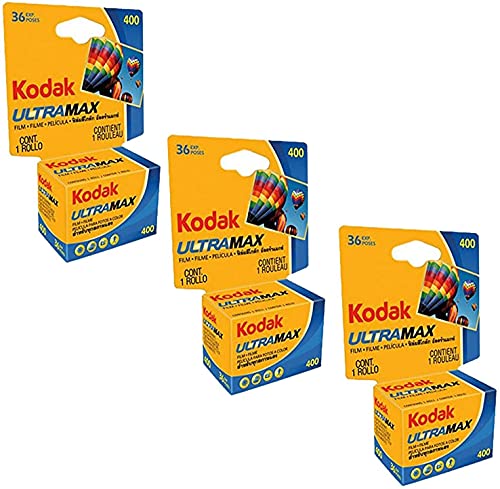
Kodak Ultramax 400 Color Print Film offers practical versatility with balanced tones and reliable performance across a wide range of scenes. The 36 exposures per roll provide ample frames for travel, family gatherings, and street photography. This film tends to render pleasant, natural colors with moderate grain, making it a dependable choice for enthusiasts who value straightforward results without a steep learning curve. The three-pack option is convenient for stocking up or sharing with friends who shoot 35mm equally.
The Ultramax line is recognized for its ease of use, consistent color reproduction, and general appeal to a broad audience. While not designed for high-contrast artistic looks, it delivers dependable results in everyday lighting—sunny days, shade, and indoor lighting alike. For photographers building a versatile film kit, Ultramax 400 remains a reliable default choice for reliable, ready-to-use color film.
Kodak Ektar 100 Professional (Pack of 2)
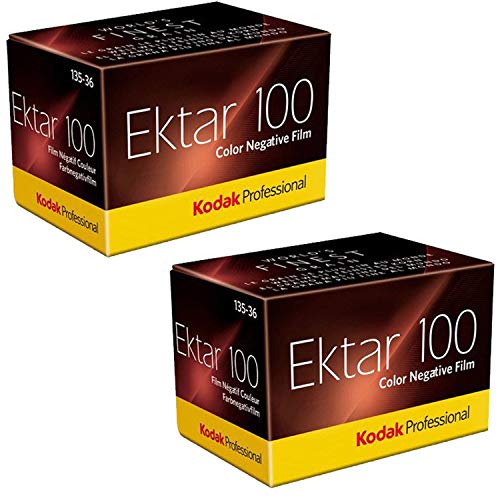
Kodak Ektar 100 is renowned for its ultra-fine grain and vivid color reproduction, making it a top choice for landscape and print-quality work. The 35mm format with 36 exposures per roll delivers sharpness and depth, enabling striking enlargements and accurate color modern imaging. Photographers who emphasize fine detail and panoramic scenes often prefer Ektar for its clean, saturated tones and excellent dynamic range. The two-pack format makes it easy to maintain a steady stock for longer projects.
While Ektar 100 excels in bright light, it still renders well in controlled indoor conditions when paired with appropriate lighting. Its color accuracy and crispness can require careful exposure management, but the payoff is consistent, professional-grade results. For shooters aiming for high-quality prints with minimal grain, Ektar 100 represents a strong, go-to option in the 35mm color negative family.
Buying Guide: Key Purchase Considerations for 35mm Color Negative Film
Selecting the right 35mm color negative film depends on your goals, lighting conditions, and preferred look. Here are important factors to weigh when choosing stock for your next shoot:
- ISO and light availability: Higher ISO films (like ISO 400) perform better in lower light and indoor settings, but may show more grain. Lower ISO (ISO 100–200) delivers finer grain and higher color fidelity in bright conditions.
- Color rendering: Some films lean toward punchy, saturated colors (good for landscape and travel), while others favor natural skin tones and subtle shifts in contrast. Consider the mood you want for portraits or scenes.
- Grain structure: Fine-grain films are ideal for large prints and controlled studio work; films with more visible grain can impart a classic, nostalgic feel. Grain may vary by brand and developer process.
- Exposure latitude: Films with wide exposure latitude tolerate over- and under-exposure better, reducing the risk of blown highlights or muddy shadows in mixed lighting.
- Availability and consistency: Some brands provide robust production and consistent results across batches, while others may vary slightly between lots. Budget for consistency if you shoot on a schedule.
- Practical considerations: Pack size, number of exposures, and packaging can influence how often you reload. Multi-pack bundles help ensure you have stock for ongoing projects.
- Processing compatibility: Most consumer labs process standard color negative films; ensure your lab supports the film type and is comfortable with your chosen stock.
Performance comparisons across the selected options show a balance between speed, grain, and color. For vivid, versatile shooting in varied lighting, ISO 400 films offer flexibility and reliable color. For landscapes and high-detail work, ISO 100–200 stocks deliver finer grain and sharper tonal transitions. In portrait work, carefully chosen balance between warmth and skin tones matters; some films render richer, warmer tones, while others maintain cooler, more neutral hues. By matching film characteristics to your shooting style, you can optimize the look of every frame.
When building a 35mm film kit, consider mixing stocks to cover different scenarios: a fast ISO 400 for travel and low-light events, a standard ISO 200 for everyday shooting, and a higher-clarity ISO 100 for landscapes and large prints. Bundles and multi-packs are convenient for maintaining stock without frequent shopping. Always shoot test rolls to calibrate exposure and to understand how your camera and processing lab render each stock.