The following selection focuses on standout telephoto options for APS-C bodies, blending reach, image quality, and portability. From compact 70-300mm zooms to versatile all-in-one designs, these lenses help you capture wildlife, sports, and distant landscapes with clarity. Each pick is evaluated for autofocus performance, stabilization, and optical sharpness to suit enthusiasts and professionals alike.
| Brand | Product | Focal Range | Notable Feature |
|---|---|---|---|
| Sony | Sony Alpha 70-350mm F4.5-6.3 G OSS | 70-350mm | Corner-to-corner G lens resolution |
| Tamron | Tamron 70-300mm F/4.5-6.3 Di III RXD | 70-300mm | Lightweight, fast AF for Sony |
| Tamron | Tamron 18-300mm F/3.5-6.3 Di III-A VC VXD | 18-300mm | All-in-one zoom for APS-C |
| Canon | RF70-200mm F2.8 L IS USM | 70-200mm | Bright f/2.8 with IS |
| Nikon | NIKKOR Z DX 50-250mm VR | 50-250mm | Built-in VR up to 5 stops |
Sony Alpha 70-350mm F4.5-6.3 G OSS – APS-C Telephoto
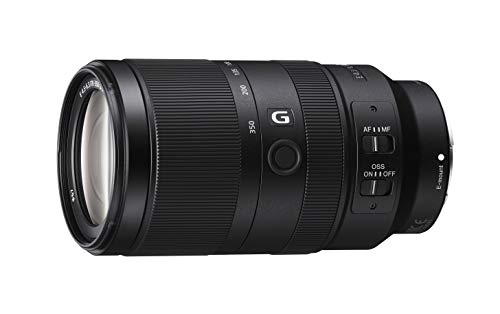
The Sony 70-350mm G OSS provides a 5x super-telephoto zoom ideal for wildlife and sports on APS-C bodies. It emphasizes corner-to-corner sharpness with a G-series optical design and benefits from built-in Optical SteadyShot stabilization for hand-held shooting at longer focal lengths. At 22 ounces, it remains manageable for travel and field work, making long-reach photography more accessible on compatible Sony E-mount cameras.
Tamron 70-300mm F/4.5-6.3 Di III RXD – Sony E Mount

Tamron’s 70-300mm RXD for Sony E is designed for portable telephoto work. It combines a compact form factor with strong image quality across the zoom range and a quick RXD AF motor for responsive focusing. This lens excels for travelers and hobbyists who want extended reach without carrying heavy equipment, while delivering sharpness suitable for landscapes and candid wildlife shots.
Tamron 18-300mm F/3.5-6.3 Di III-A VC VXD – Sony E APS-C

Tamron’s all-in-one 18-300mm offers a wide focal range on Sony APS-C bodies, backed by VXD AF for quick and quiet autofocus. Its versatility is enhanced by VC stabilization, enabling sharp handheld performance across landscapes, travel photography, and everyday moments. The lens maintains strong resolving power from center to edges across the zoom range, making it a practical choice for creators who want one lens for many scenarios.
Canon RF70-200mm F2.8 L IS USM

The Canon RF70-200mm F2.8 L IS USM is a staple for high-performance telephoto work on Canon EOS R bodies. The bright f/2.8 aperture and image stabilization support sharp subject isolation and versatility in low light, making it a strong option for sports, action, and wildlife when paired with Canon’s mirrorless system. While heavier than some APS-C optimized designs, its optical quality and speed may justify the trade-off for dedicated Canon shooters.
NIKKOR Z DX 50-250mm VR – Nikon APS-C

Built for Nikon Z DX-format mirrorless cameras, the 50-250mm VR delivers a versatile reach from standard to telephoto. The built-in Vibration Reduction (VR) stabilizes images up to several stops, easing handheld shooting at longer focal lengths. A useful control ring helps fast adjustments, and the lens remains relatively compact for travel and field work on DX bodies.
Buying Guide: Key Considerations for APS-C Telephoto Lenses
- Focal range choices: For wildlife and sports, 200mm and longer on APS-C provide substantial reach. All-in-one designs cover general travel needs but may compromise ultimate sharpness at edges.
- Aperture and light gathering: Bright f/2.8 to f/4 options excel in low light and subject isolation. Telephoto zooms with slower maximum apertures trade speed for lighter weight and cost.
- Autofocus performance: Look for models with dedicated AF motors (e.g., VXD or RXD) and reliable tracking for moving subjects. Quiet AF benefits video work as well.
- Image stabilization: Optical or integrated VR/OSS helps maintain sharpness at longer focal lengths, especially in handheld shooting or low-light conditions.
- Weight and balance: Heavier lenses can tax long shoots; lightweight designs improve portability but may compromise some build quality.
- Compatibility: Ensure the lens mount matches your camera system (Sony E, Canon RF, Nikon Z, etc.) and verify weather sealing if you shoot outdoors.
- All-in-one versus dedicated telephotos: All-in-one lenses offer convenience and range, while dedicated telephotos often deliver superior sharpness and faster autofocus.
- Budget and value: Compare real-world performance, including sharpness, distortion, and color rendition, against your budget and typical subjects.