Starting with a full-frame camera can elevate your photography, delivering better low-light performance, dynamic range, and subject separation. This guide highlights five beginner-friendly options and solid alternatives to help first‑time full-frame shooters choose confidently. Each entry includes key features and what makes it suitable for learning the craft, from compact designs to proven performance. Explore practical considerations and a buying guide to compare sensor size, lens ecosystems, and future-proofing.
| Product | Key Benefit | Why It Matters |
|---|---|---|
| Canon EOS RP Full-Frame Kit | Ultra-compact full-frame option | Lightweight handling with versatile RF zoom lens |
| Digital Camera Autofocus 4K Vlogging Camera (ZHIXJIA) | 4K video with beginner-friendly controls | Great for learning video alongside stills |
| KODAK PIXPRO AZ405-WH | Super-zoom versatility | Affordable zoom-focused option for learning framing |
| Canon EOS Rebel T7 DSLR Kit | Beginner-friendly DSLR ecosystem | Structured learning with established lenses |
| KODAK EKTAR H35 Half Frame Film Camera | Analog learning with unique workflow | Hands-on exposure control and composition practice |
Note: While some options listed are not true full-frame bodies, they offer relevant learning experiences, size trade-offs, or ecosystem advantages that often appeal to beginners exploring full-frame concepts and photography basics before committing to a higher-end body.
Canon EOS RP Full-Frame Kit

Compact, lightweight full-frame camera paired with a versatile RF24-105mm lens. It features Optical Image Stabilization up to 5 stops, a maximum magnification of 0.4x, and a close focusing distance of 0.66 feet in Auto Focus. This kit is designed for travel, vlogging, and learning the essentials of full-frame imaging with a single versatile zoom range.
ZHIXJIA Digital Camera 4K Vlogging

This autofocus 4K camera targets beginners with high-definition capture and a bundled memory card. It supports 4K video, 48MP stills, and 16x autofocus. Features like face detection, self-timer, and webcam functionality help learners practice both photography and content creation, plus a travel-ready build with included accessories.
KODAK PIXPRO AZ405-WH
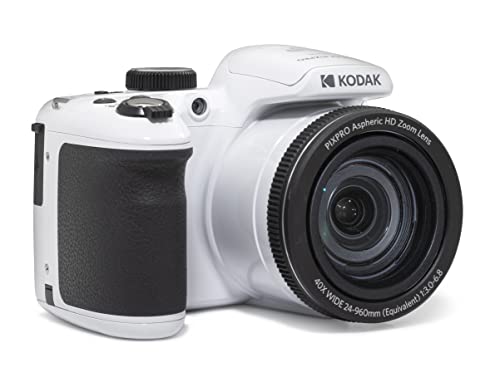
A 40x optical zoom and 20MP sensor deliver plenty of reach for learning composition and depth. While not a full-frame body, its simplicity and powerful zoom help beginners practice framing, movement, and storytelling across diverse scenes, from portraits to landscapes.
Canon EOS Rebel T7 DSLR Kit

This beginner-friendly DSLR brings a full manual experience with a 24.1MP APS-C sensor and simple connectivity. The included lenses and accessories support foundational photography skills, from exposure control to composition and basic post-processing workflows.
KODAK EKTAR H35 Half Frame Film Camera

An analog option that teaches exposure, composition, and film handling. The bundle includes film and teaches the classic workflow, offering a hands-on way to understand light and timing without digital automation, useful for building foundational photography intuition.
ASUS 27” 1080P Video Conferencing Monitor

While not a camera, this monitor supports content creators by delivering a clear display for reviewing images and editing projects. Its integrated webcam and speakers simplify setup for learners practicing video calls or online tutorials as part of a photography education plan.
Buying Guide
- Sensor size and image quality: Full-frame sensors typically deliver better low-light performance and dynamic range than APS-C. If low-light shooting or shallow depth of field is a priority, prioritize true full-frame bodies and compatible lenses.
- Lenses and ecosystem: A single versatile zoom (like a 24-105mm) can cover travel and daily shooting, but ensure the system has a robust selection of lenses for future growth. RF, EF, or native mount choices influence long-term compatibility and costs.
- Size, weight, and handling: For beginners, a compact full-frame kit improves portability and reduces fatigue during extended shoots. Consider the balance between a light body and a usable grip.
- Video capabilities: If you plan to create vlogs or hybrid content, 4K support, autofocus performance in video, and external mic options are important.
- Learning curve and features: Cameras with guided modes, easy menus, and built-in help can accelerate skill development. Thermal and stabilization features also affect usability in dynamic environments.
- Budget and future-proofing: Start with a capable body and a few essential lenses, then expand as you gain experience. Consider resale value and an ecosystem with widely available accessories.
- Analog vs digital learning: Short experiments with film learning can sharpen composition and exposure discipline, complementing digital practice for a well-rounded skill set.