Finding the right camera carrier for hiking can protect gear while keeping it accessible on trails. This guide reviews five popular options designed to distribute weight, reduce neck strain, and provide quick access in dynamic outdoor environments. Each selection balances comfort, security, and versatility for DSLR, mirrorless, and compact systems. Below is a quick snapshot of the chosen products to help you compare at a glance.
| Product | Brand | Key Benefit |
|---|---|---|
| Cotton Carrier CCS G3 (One Camera) | Cotton | Twist & Lock stability; load distribution |
| Nicama NC-Vest Dual Camera Carrier | Nicama | Double-shoulder comfort; versatile fit |
| Cotton Carrier CCS G3 (Two Cameras) | Cotton | Dual mounts for quick swaps |
| HIKEMAN Shoulder Bag Case | HIKEMAN | Waterproof, expandable storage |
| Cotton Carrier Slingbelt With Tether (One Camera) | Cotton | Hands-free setup; secure locking |
Cotton Carrier CCS G3 Camera Harness System For One Camera

The CCS G3 harness distributes weight across the torso, reducing neck and shoulder strain during long hikes. Its patented Twist & Lock Mount provides secure, rapid camera attachment and detachment, suitable for DSLR, mirrorless, or compact system cameras. This design emphasizes all-day comfort with a vest-style layout that keeps gear close to the body for steady movement and minimal jostling on rugged trails.
Key features include: a secure mount system, load-spreading design, and compatibility with a range of camera bodies. Consider this option if you prioritize stability and long-wear comfort over ultra-fast single-handed access during fast-paced wildlife shooting.
Nicama NC-Vest Dual Camera Carrier Chest Harness

The Nicama NC-Vest is designed for photographers on the move, offering a dual-shoulder chest harness with instant release and a secure locking system. It suits mixed camera setups and provides a compact, balanced fit that minimizes neck strain during long hikes. The system supports 1 or 2-camera configurations, making it adaptable for varied shooting scenarios, from landscapes to action scenes.
Consider its one-size-fits-all approach and the emphasis on comfort and security when you frequently switch lenses or carry heavier bodies. It’s a practical option for hikers who need steady access without sacrificing stability.
Cotton Carrier CCS G3 Camera Harness For 2 Cameras
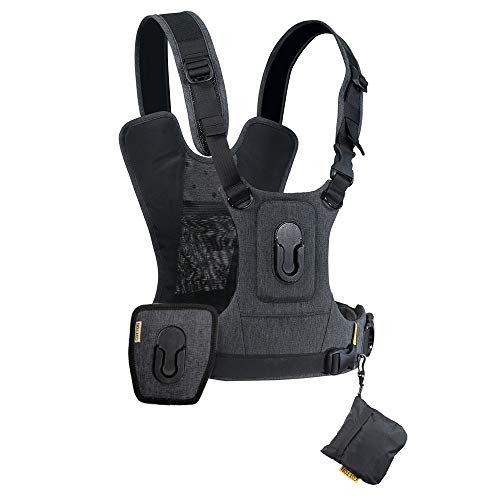
This 2-camera version extends the same load-distribution and stability philosophy to dual bodies. Dual Twist & Lock Mounts enable quick switching between cameras without removing gear from the harness. All-day comfort is enhanced by distributing weight across the torso, reducing fatigue on longer treks. Instant one-handed access lets you capture fleeting nature moments with minimal delay.
If you shoot with multiple bodies or frequently change lenses, this model can streamline your workflow while maintaining ergonomic support. It’s a strong pick for serious hiking photographers who value reliability and speed of use.
HIKEMAN Shoulder Bag Case For Camera

This outdoor-ready bag focuses on waterproof, wear-resistant construction with UHMWPE materials and protective zippers. It offers expandable storage plus multiple carrying methods, including chest, shoulder, or waist configurations, making it versatile for hikers who encounter varying terrain and weather. The side-opening quick-pull design supports rapid retrieval during fast-paced shooting opportunities.
Ideal for hikers who need robust protection for sensitive gear on rainy trails or rugged paths, while still offering adaptable storage layouts for lenses and accessories. It emphasizes durability and quick access in a single, compact solution.
Cotton Carrier Slingbelt With Tether For One Camera

The Slingbelt provides hands-free carrying with an adjustable hip belt and secure twist & lock mounting. It includes a sling tether, ensuring you can deploy or stow your camera quickly and securely. The system is pitched as a versatile option for heavy lens setups and even binoculars, offering a compact, comfortable alternative to neck-worn harnesses.
If you want to keep your camera close without feeling tethered to your shoulders, the Slingbelt presents a streamlined approach. It’s particularly relevant for photographers who prioritize quick reach and stability with minimal bulk during hikes.
Cotton Carrier Skout G2 Sling Style Harness For One Camera
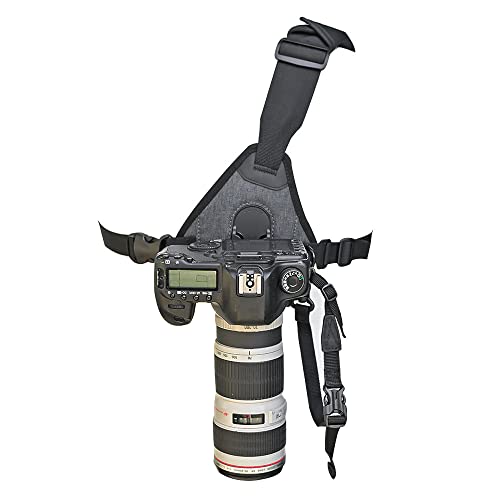
The Skout G2 Sling Style Harness emphasizes comfort and accessibility in a compact sling design. It keeps the camera close to the body, reducing movement and improving stability during active hiking. A padded shoulder and ventilated back enhance comfort during long treks, while the system supports instant deployment of the camera when needed.
Suitable for hikers who want minimal bulk yet reliable access to their camera, the Skout G2 blends ease of use with a snug, body-hugging fit. It’s a practical choice for landscapes and wildlife photography on rugged routes.
4J LEDR Camera Carrier Chest Harness J1

The J1 chest harness features a rotating lock design to orient the lens downward for quick deployment. Its high-quality waterproof nylon construction distributes load to minimize neck and shoulder strain. A lens fixing strap provides additional protection, keeping the camera and lens stable on uneven terrain. The rotating mechanism enables swift transitions between shooting states without removing the setup.
For hikers carrying larger lenses or heavier bodies, the rotating lock and secure strap design helps maintain balance and reduces fatigue. This harness is a reliable option for those who value secure stabilization with flexible deployment options on demanding trails.
Buying Guide
Key considerations when choosing a camera carrier for hiking include weight distribution, stability, weather resistance, access speed, and fit. A vest-style or harness system often excels at spreading weight across the torso, reducing neck strain on long hikes. Dual-camera mounts are helpful for photographers who frequently switch bodies or lenses, but they add bulk. Waterproof and rugged fabrics protect equipment in rain, dust, and sweat, while secure locking mechanisms prevent accidental drops on uneven terrain.
Other factors to weigh are adjustability, compatibility with different camera sizes, and ease of use one-handed in the field. If you shoot action or wildlife, quick deployment and secure retention are critical. For landscapes and urban exploration, comfort over long periods and shoulder relief can be more valuable than lightning-fast access. Consider testing several configurations on shorter hikes to determine which system best aligns with your gear, shooting style, and endurance needs.
Comparative considerations:
– Comfort: vest-style vs sling-style; back support and airflow
– Stability: locking mechanisms and weight distribution
– Accessibility: one-handed draw vs two-handed setup
– Protection: waterproof materials, lens protection straps
– Adaptability: single-camera vs dual-camera options, lens compatibility