Choosing a camera with strong image processing capabilities can dramatically improve color accuracy, noise reduction, and detail rendering. The following selections cover a range of budgets and use cases—from entry-level DSLRs to advanced mirrorless bodies, compact options, and security-focused devices—each with notable processing features that help produce high-quality images straight out of the camera.
| Product | Brand | Key Processing Advantage |
|---|---|---|
| Canon EOS Rebel T7 DSLR Camera | Canon | 24.1 MP sensor with DIGIC 4+ processing for reliable color and detail |
| Sony Alpha 6700 | Sony | 26 MP sensor with BIONZ XR and AI-based subject recognition |
| Canon PowerShot ELPH 360 | Canon | DIGIC 4+ processor with 20.2 MP sensor for solid image quality |
| WYZE Cam v4 | WYZE | 2.5K QHD, color night vision, AI-based scene clarity for surveillance |
| Flagfront Thermal Camera | Flagfront | Thermal imaging with 240×240 resolution and precise temperature data |
Note: This article focuses on camera models that offer strong image processing capabilities or processing-based advantages, suitable for a range of photography and imaging scenarios in American use.
Canon EOS Rebel T7 DSLR Camera With 18-55mm Lens

The Canon EOS Rebel T7 combines a 24.1-megapixel APS-C CMOS sensor with Canon’s DIGIC 4+ image processor to deliver reliable color, accurate tone rendition, and smooth tonal gradations across a range of lighting conditions. Features include built-in Wi-Fi for quick sharing, NFC for easy pairing, and a 9-point AF system with AI Servo AF for tracking moving subjects. This setup supports Full HD video and provides a solid foundation for learning image processing basics while offering practical control over exposure and color in post-production.
CAMKORY Digital Camera With 16X Zoom
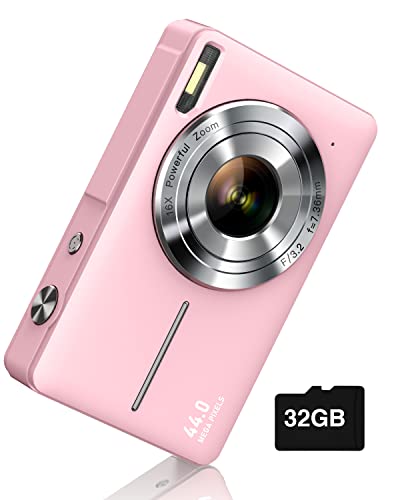
This compact point-and-shoot emphasizes user-friendly operation with automatic exposure and color correction suitable for beginners and kids. It records FHD 1080P video and 44MP photos using a CMOS metering system, minimizing the need for manual camera settings. The design prioritizes portability and long battery life, making it a practical choice for simple image capture and everyday photo processing on the go.
Sony Alpha 6700

The Sony Alpha 6700 is a versatile APS-C mirrorless camera with a 26.0 MP Exmor R sensor and BIONZ XR processing power. Its dedicated AI Processor and Real-time Recognition provide robust subject tracking and scene analysis, helping achieve sharp, well-processed images in dynamic environments. The camera emphasizes high-resolution stills and 4K video, with data-driven processing that supports advanced color, noise management, and overall image quality in post-production workflows.
Canon PowerShot ELPH 360
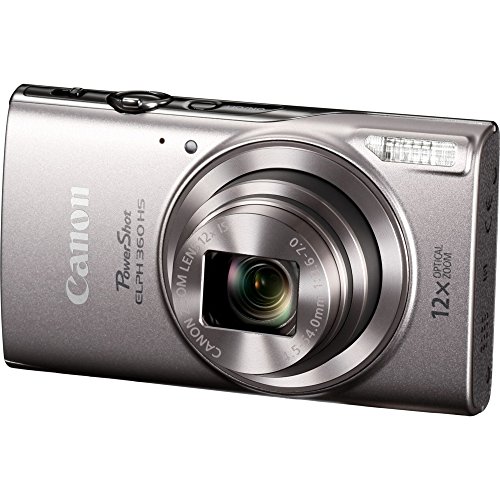
The PowerShot ELPH 360 packs a 20.2 MP CMOS sensor with Canon’s DIGIC 4+ processor to deliver bright, detailed images with reliable low-light performance. Its 12x Optical Zoom and Optical Image Stabilizer expand framing options while preserving image clarity. Built-in Wi-Fi and NFC simplify sharing, and the 3.0-inch LCD provides easy composition. For users seeking a compact camera with solid image processing in a portable package, this model offers approachable performance with dependable color and exposure handling.
WYZE Cam v4 (Latest Model)

Wyze Cam v4 is a security camera that emphasizes processing capabilities for surveillance scenarios. It delivers 2.5K QHD resolution with enhanced color night vision and AI-driven features for scene clarity. The camera is designed for indoor and outdoor use with weather resistance and smart alerts that leverage processing algorithms to detect activity accurately. While primarily a security device, its processing stack contributes to reliable image quality in varying lighting and environmental conditions.
Flagfront Thermal Camera

The Flagfront YXI96 thermal camera provides thermal imaging with 240×240 resolution and a temperature range from -4°F to 1022°F. Its processing aids in real-time temperature analysis, anomaly detection, and rapid identification of heat signatures. A high frame rate supports smoother video feedback during inspections. This device targets professionals and enthusiasts who rely on accurate thermal processing data for building diagnostics, electrical investigations, or equipment monitoring.
Buying Guide
Key considerations when selecting a camera for image processing include sensor size and type, processor capabilities, autofocus performance, color science, dynamic range, and post-processing flexibility. Here are practical guidelines to compare options:
- Purpose: Choose a camera that matches your main use—stills, video, or thermal imaging—and consider how processing features align with your workflow.
- Sensor and Processor: Larger sensors and capable processors typically deliver better noise handling, color accuracy, and detail in post-processing.
- autofocus and subject recognition: AI-based tracking and real-time recognition improve keeper rates in moving scenes and reduce post-editing time.
- File formats and color profiles: Look for RAW or high-quality JPEGs, robust color profiles, and compatibility with your editing software.
- Portability vs. features: Compact cameras offer convenience, while DSLRs and mirrorless bodies provide more manual control and processing power.
- Connectivity and sharing: Built-in Wi-Fi, NFC, and cloud options can streamline workflow when you need to process and share images quickly.
- Specialized imaging: Thermal cameras rely on different processing logic and measurement accuracy; ensure the device fits your diagnostic or monitoring needs.
For a balanced setup, consider how the camera’s processing stack integrates with your preferred editing tools, storage capacity, and on-the-go requirements. Depth of field, color fidelity, and noise performance under varied lighting are common trade-offs to evaluate across these models.