Indie filmmakers need gear that balances image quality, flexibility, and portability. The following selections highlight cameras that deliver cinematic detail, robust low-light performance, and practical features for on-the-go production. From 6K cinema-grade sensors to high-resolution 8K options, these picks cover a range of budgets and project types, helping you craft professional-looking results without a massive crew.
| Product | Brand | Key Benefit |
|---|---|---|
| Blackmagic Design Cinema Camera 6K | Blackmagic Design | Full-frame, high dynamic range with DaVinci Resolve Studio |
| 5K Video Camera Camcorder, BREGOO | BREGOO | 5K cinematic clarity with 64MP stills and creator bundle |
| 4K Video Camera Camcorder, FJFJOPK | FJFJOPK | 4K capture, 64MP, night vision, external mic and webcam capability |
| 4K Video Camera Camcorder, ZYDIIE | ZYDIIE | 4K/64MP with 3″ touchscreen and 270° rotation, night vision |
| 8K Video Camera Camcorder, Tixeuo | Tixeuo | 8K/64MP, WiFi, remote, 18x zoom, 3″ touch screen |
Blackmagic Design Cinema Camera 6K

The Blackmagic Design Cinema Camera 6K centers a full-frame sensor with 6K resolution and a Leica L-mount, offering 13 stops of dynamic range and dual gain ISO up to 25,600. Its built-in OLPF improves detail handling, reducing moiré and aliasing in difficult scenes. For indie productions, the camera’s RAW workflow (Blackmagic RAW) and inclusion of DaVinci Resolve Studio facilitate a complete post pipeline in a single ecosystem.
Recording options include CFexpress Type B cards or external SSDs via USB-C. The body’s robust build and native compatibility with popular lenses make it suitable for narrative features, music videos, and documentary work. While it’s a higher-end choice, it scales with growing production needs without sacrificing image quality.
5K Video Camera Camcorder, BREGOO

BREGOO’s 5K camcorder combines high-resolution video with a 64MP photo mode, appealing to indie creators who shoot both motion and stills. The 3.0″ 270° rotatable touch screen supports flexible shooting angles, from low angles to self-recorded interviews. A rugged metal hinge adds durability for field shoots, while the included creator bundle—32GB card, dual batteries, tripod, external mic, remote, and more—provides essential gear for YouTube and vlog workflows.
Video is captured at 5K (also 4K at 60fps), delivering cinema-grade detail with good motion rendering. The bundle orientation helps reduce upfront costs for new content creators who want a ready-to-shoot setup out of the box. It’s a practical option for indie film projects, travel videos, and event coverage where versatility matters.
4K Video Camera Camcorder, FJFJOPK
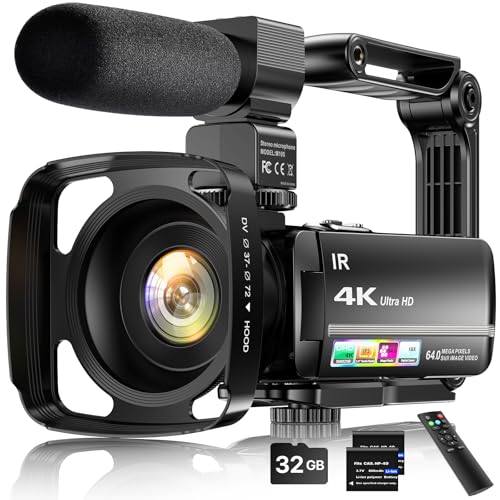
The FJFJOPK camcorder specializes in 4K ultra HD capture with 64MP photos, designed for creators who need strong autofocus and color reproduction. An 18x digital zoom, built-in anti-shake stabilization, and a lens hood help maintain clean footage in varied environments—from bustling city scenes to outdoor landscapes. The camera also doubles as a webcam, enabling streaming and remote content creation with minimal gear swapping.
Included accessories, such as an external microphone and a remote control, enhance sound quality for interviews and vlog segments. The combination of low-light performance and portability makes this a strong mid-range option for indie filmmakers staging both in-studio and on-location shoots.
8K Digital Cameras For Photography, XNSIAKXA
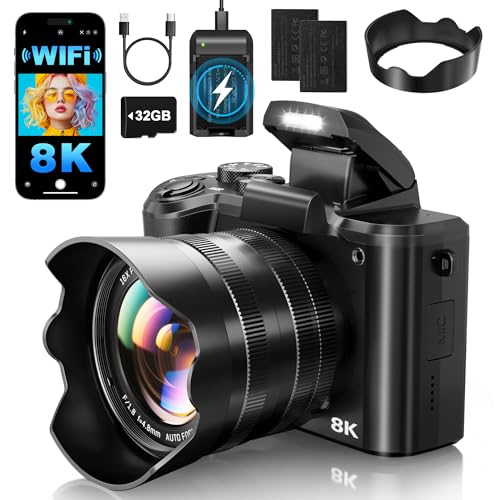
The XNSIAKXA 8K camera offers ultra-high-resolution 8K video and 88MP stills. Dual-lens design and a 3.2″ IPS touch screen simplify framing and composition, while built-in WiFi enables quick transfers and social sharing. The camera’s 6-axis stabilization helps maintain smoother footage, and the included 2 batteries plus a charging stand support longer shoots, which is valuable for indie productions that demand extended field work.
With 8K output and a modern feature set, this camera targets filmmakers seeking cutting-edge image quality and flexible post-production options. It’s particularly suitable for documentary projects, travel features, and scripted shorts where future-proof resolution is a priority.
Buying Guide: Key Considerations For Indie Filmmakers
- Resolution vs. workflow: Higher resolutions like 6K–8K deliver more latitude in post, but require faster storage and deeper color grading. Balance resolution with your editing setup and delivery needs.
- Sensor size and dynamic range: Full-frame or large sensors provide better low-light performance and depth of field, which are crucial for cinematic aesthetics in indie projects.
- Log/RAW formats and color tools: Cameras that offer RAW or robust log profiles simplify color grading. Consider whether you have access to editing software that can maximize this data.
- Portability and ergonomics: Indie shoots often require long days on set. A lighter body, reliable battery life, and versatile record angles help maintain efficiency.
- Audio integration: External mics and preamps improve sound quality significantly. Look for camera compatibility with a range of mics, wind protection, and easy monitoring.
- Expandability: Lenses, ND filters, time-lapse capabilities, and accessory ecosystems matter for growth as projects increase in scope.
- Connectivity: WiFi, USB-C, and transfer speeds affect workflow speed, especially for field editors who need on-set previews or quick cuts.
- Budget and future-proofing: Indie productions benefit from scalable gear. Prioritize cameras that can grow with your crew’s needs and evolving storytelling demands.
Comparative Perspectives
- Image quality: Higher-end cinema cameras (like 6K/8K options) excel in color depth and latitude for dramatic scenes, while 4K models provide strong, accessible results for budgets and timelines that require faster load-in and editing.
- Ease of use: Cameras with built-in stabilization, flip screens, and webcam modes provide immediate value for solo shooters or small teams.
- Post-production: RAW or log-enabled cameras pair well with modern color pipelines (like DaVinci Resolve) but demand a capable editing station.
- Durability: Metal builds and reliable accessories reduce on-set downtime, particularly for documentary shoots in variable environments.
Buying Guide: Final Considerations For Indie Filmmakers
Indie productions thrive on efficiency and adaptability. When selecting a camera, prioritize the balance of image quality, workflow, and budget. Consider the specific type of project you’ll shoot (documentary, short narrative, music video) and the environments you’ll encounter (indoor studios, outdoor locations, or travel-heavy shoots). Evaluate each camera’s lens ecosystem, power options, and accessory availability. Finally, think about your post-production pipeline and whether the camera’s file formats and color capabilities align with your editing software and grading goals. The right choice is the one that integrates seamlessly into your creative process while delivering a consistently professional look across scenes.