Moon photography combines long reach, image stabilization, and solid low-light performance. The following five cameras are among the best affordable options for capturing craters, seas, and limb details from Earth. Each model brings substantial zoom capabilities, decent sensors, and convenient connectivity for quick sharing or remote control via a smartphone.
| Product | Brand | Key Strengths | Zoom | Connectivity |
|---|---|---|---|---|
| Kodak PIXPRO Astro Zoom AZ528-BK | KODAK | 52x zoom, 24mm wide angle, 1080p video | 52x | Wi‑Fi |
| TEFTYMON 4K Digital Camera 64MP | TEFTYMON | 4K video, 64MP stills, 16x zoom, flashlight | 16x | Wi‑Fi |
| SIXTARY 4K Digital Camera 64MP | SIXTARY | 4K video, 64MP, 16x zoom, 180° flip screen | 16x | Wi‑Fi |
| Forc Digital Camera 4K, 18x Zoom | Forc | 4K video, 18x zoom, premium feel | 18x | Wi‑Fi |
| ASTYPHER 4K Retro Digital Camera | ASTYPHER | 64MP, 6x optical zoom, retro design | 6x | Wi‑Fi |
The moon benefits from higher focal lengths and steady shooting, ideally with a tripod. If you primarily shoot at night, look for models offering reliable autofocus, good low-light performance, and the ability to shoot in RAW or a high-quality JPEG for post-processing. The list below highlights five options that balance price, performance, and moon‑specific advantages.
Kodak PIXPRO Astro Zoom AZ528-BK Review
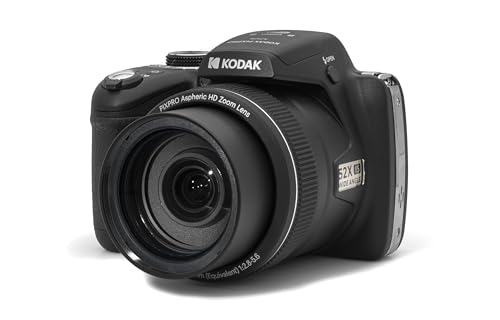
The Kodak AZ528 is a versatile long-zoom camera built for convenience and reach. Its 52x optical zoom covers wide landscapes and distant lunar details, while a 24mm wide-angle option helps when framing the moon against foreground scenery. A 16 MP CMOS sensor supports quick bursts at 6 frames per second, which can be useful for capturing the moon across changing lighting as it rises. Full HD video (1080p) adds a simple way to document each lunar phase. Wi‑Fi enables wireless control from a mobile device, letting you fine-tune exposure and focus without touching the camera—handy when you’re perched on a chilly tripod. For moon photography, use the maximum optical zoom, shoot in manual exposure if available, and stabilize on a solid surface for crisp detail.
TEFTYMON 4K Digital Camera With 64MP

This TEFTYMON model targets high-resolution stills and robust 4K video. Its 64MP still capability supports sharp lunar shots with ample detail, while the 16x digital zoom covers distant subjects, useful for lunar close-ups when the weather doesn’t cooperate for a longer optical lens. The 3.0-inch IPS flip screen and built-in flashlight help with framing in variable lighting. Built-in Wi‑Fi keeps your workflow efficient—transfer images to a phone for quick sharing and editing. For moon photography, pair the camera with a small, stable tripod and shoot in aperture-priority mode if available to hold lunar texture and avoid overexposure from bright moon highlights.
SIXTARY 4K Digital Camera With 64MP

The SIXTARY model emphasizes 4K video alongside a 64MP sensor and a 180° flip screen for flexible framing, including self-portraits or astrophotography planning sessions. While it markets as a versatile travel camera with 16x zoom, the moon shots benefit most from its optical clarity and ability to capture bright lunar surfaces without excessive grain. The built‑in WiFi simplifies transferring RAW or high-quality JPEGs to a mobile device for edits. For best results, use manual exposure settings and consider post-processing to balance the lunar highlights with the dark sky, preserving crater texture and terminator lines.
Forc 4K Digital Camera With 18X Zoom

The Forc camera provides 18x zoom with a premium feel and 4K video capabilities. While the optical zoom is slightly lower than some rivals, it can still capture detailed lunar shots when paired with a steady tripod. The absence of heavy artifacts is aided by modern processing and anti-shake features. The device ships with a memory card and essential accessories, making it suitable for beginners who want a straightforward moon photography setup. For optimum results, shoot in RAW if possible and stack multiple frames to improve clarity and reduce noise in post-processing.
ASTYPHER 4K Retro Digital Camera

The ASTYPHER retro camera combines 64MP resolution with a 6x optical zoom and 4K video. The retro styling appeals to photographers who appreciate tactile controls and a compact, portable form. The 6x optical zoom helps fill the lunar frame when you lack a dedicated telephoto lens, and the camera’s WiFi transfer capability supports quick sharing of lunar shots after a session. For moon photography, use a tripod, enable focus peaking if available, and consider shooting in RAW with minimal processing to maintain lunar detail in contrast-rich scenes.
Buying Guide: Moon Photography Essentials
- Zoom and focal length: For the Moon, a longer optical zoom provides the detail you want without excessive digital zoom artifacts. Look for 40x or more when possible, or choose cameras with high-quality optical reach paired with stable performance at longer focal lengths.
- Sensor and low-light performance: A larger sensor and good noise control improve lunar texture and terminator detail. While many affordable devices use compact sensors, prioritize models with good signal-to-noise ratios at modest ISO levels.
- Stability: A sturdy tripod is essential. If your camera lacks built-in stabilization, ensure you have a stable surface and, if possible, a remote shutter or timer to avoid handshake during exposure.
- Manual controls: The Moon benefits from exposure control to balance highlights and shadow detail. Prefer cameras offering manual mode, exposure compensation, and, if possible, RAW capture for post-processing.
- Connectivity: WiFi or Bluetooth helps transfer images quickly to a phone or tablet for quick edits and sharing. This is helpful when you’re working from a chilly outdoor setup and want to review shots on a larger screen.
- Portability vs. performance: If you travel to dark skies or plan field sessions, consider the trade-off between bulk and zoom. A compact camera with good zoom can be easier to manage than a heavy telephoto lens, though dedicated lenses often yield sharper lunar detail.
- Post-processing: Moon photography often benefits from stacking and processing to reduce noise and bring out subtle craters. Ensure your chosen camera’s RAW support and your editing workflow align with your skill level.
These five cameras offer a range of options from simple point-and-shoot solutions to more flexible 4K models with substantial zoom. When selecting, prioritize optical zoom quality, sensor performance in low light, and the ability to stabilize your frame for sharp lunar textures. Combine any of these with a solid tripod and a remote shutter for best results.