The market for budget digital SLR cameras blends value with essential features like interchangeable lenses, manual controls, and full HD video. This guide highlights five affordable options from trusted brands, focusing on models that deliver solid image quality without breaking the bank. Each entry includes a quick overview of standout specs to help you compare at a glance.
Summary of selected products:
| Product | Brand | Key Features | Sensor | Video |
|---|---|---|---|---|
| Canon EOS Rebel T7 DSLR Camera with 18-55mm Lens | Canon | Built-in Wi‑Fi/NFC, 9-point AF, AI Servo AF | 24.1 MP APS-C | Full HD |
| Canon EOS Rebel T7 Digital SLR Camera Body Only (Renewed) | Canon | Wi‑Fi/NFC, 9-point AF, Optical viewfinder | 24.1 MP APS-C | Full HD |
| Canon EOS Rebel T6 Digital SLR Camera Kit with 18-55mm Lens (Renewed) | Canon | DIGIC 4+ processor, 3.0″ LCD, Full HD video | 18.0 MP APS-C | Full HD |
| Nikon D3400 Digital SLR Camera & 18-55mm VR | Nikon | 24.2 MP, EXPEED 4, no optical low-pass filter | 24.2 MP DX | Full HD |
| Nikon D5300 24.2 MP with 18-55mm VR | Nikon | 39-point AF, 5 fps, no OLPF | 24.2 MP DX | Full HD |
Canon EOS Rebel T7 DSLR Camera With 18-55mm Lens

The Canon EOS Rebel T7 blends approachable control with a capable 24.1 MP APS-C sensor and DIGIC image processing to produce sharp, natural photos. Its built‑in Wi‑Fi and NFC enable quick sharing to mobile devices, and the 9‑point autofocus system with AI Servo AF helps track subjects in motion. This kit includes an 18‑55mm lens, making it a practical entry point for beginners who want to explore shooting modes, from Auto to more creative options. Eligible for full Canon color science and consistent performance in daylight and indoor lighting.
Key features to note include a forgiving sensor that handles everyday scenes well, a user-friendly interface for learning photography basics, and robust battery life for extended photo sessions. If you’re starting out or upgrading from a basic point‑and‑shoot, the Rebel T7 provides reliable image quality and straightforward operation without a heavy upfront investment.
Canon EOS Rebel T7 Digital SLR Camera Body Only (Renewed)
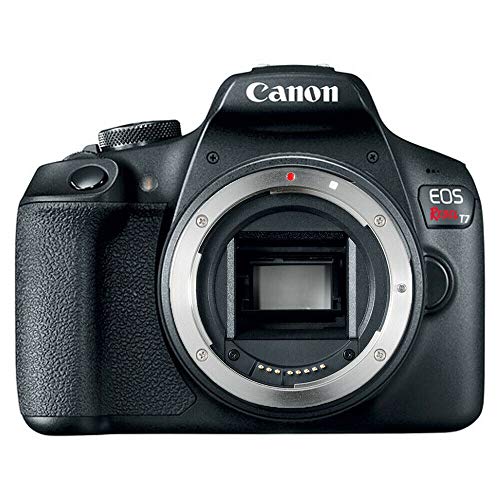
This renewed Canon Rebel T7 body kit offers the same 24.1 MP APS-C sensor present in the standard kit, with built‑in Wi‑Fi and NFC for wireless photo transfer. The 9‑point AF system supports reliable autofocus, and AI Servo AF helps maintain focus on moving subjects. The optical viewfinder and JPEG/RAW file options provide flexibility for processing and editing after shooting. A refreshed body with verified function can present an economical way to own a modern DSLR while keeping upgrade options open with a compatible EF/EF-S lens lineup.
Practical advantages include compatibility with Canon’s extensive lens ecosystem, a comfortable grip for extended shooting sessions, and an accessible menu structure ideal for learners. Renewed units should be inspected for cosmetic wear but typically deliver dependable performance for hobbyists who want a trusted brand at a lower price point.
Canon EOS Rebel T6 Digital SLR Camera Kit

The Canon Rebel T6 is a cost‑effective entry point featuring an 18.0 MP APS‑C sensor and the DIGIC 4+ processor. Its 3.0‑inch LCD delivers clear previews, while Full HD 1080p video adds versatile multimedia use. This model provides essential control over exposure and white balance, with a beginner‑friendly interface that supports learning through guided modes. While not the newest model, it remains a solid choice for new photographers seeking a classic DSLR experience with a broad selection of Canon EF and EF‑S lenses.
In practice, the T6 offers dependable image quality and a straightforward shooting workflow. The renewed or kit variations can be especially attractive for students or hobbyists who want a reputable DSLR from a recognized brand without a premium price tag. Users should note the slightly older autofocus system compared with newer Canon cameras, and plan for future lens upgrades to expand creative options.
Nikon D3400 Digital SLR Camera & 18-55mm VR
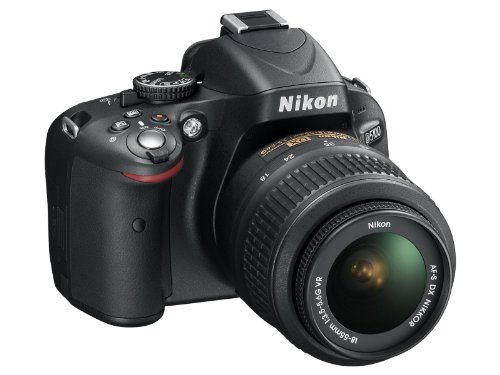
The Nikon D3400 pairs a 24.2 MP DX‑format sensor with Nikon’s EXPEED 4 image processor for crisp, detailed stills and reliable color. The VR lens stabilization helps when shooting handheld in varied light, and the camera’s guide mode supports new photographers learning exposure and composition. While it’s a refurbished option, it remains a budget‑friendly choice that can yield impressive results with the right lens selections. The D3400 emphasizes Nikon’s user interface and classic DSLR handling for comfort and familiarity.
Performance highlights include strong image sharpness, good dynamic range for its class, and an approachable ergonomics package. Prospective buyers should consider lens compatibility and future upgrades within Nikon’s DX lens lineup to maximize value over time. Battery life and quick start times add practical appeal for everyday use or travel photography setups.
Nikon D5300 24.2 MP with 18-55mm VR

The Nikon D5300 is a versatile mid‑range DSLR featuring a 24.2 MP DX sensor and a 39‑point AF system with 3D tracking. Its no optical low‑pass filter design helps maximize detail, especially for high‑frequency textures in landscapes and architecture. The camera excels in low‑to‑mid light, with strong image quality and a robust feature set, including a vari‑angle LCD for tricky shooting angles. Paired with the 18-55mm VR lens, it offers a balanced starter kit for enthusiasts who want more control than basic point‑and‑shoot cameras.
Key considerations include navigating Nikon’s menu system, ensuring compatibility with current DX lenses, and understanding the strengths of the VR stabilization during handheld shooting. The D5300’s strong autofocus performance and clear electronic viewfinder provide an engaging learning curve for photographers who want to develop skills without a steep price barrier.
Buying Guide: What Matters When Choosing A Budget DSLR
- Image quality: Look for at least 24 MP sensors in entry-level models for flexible cropping and print sizes. Sensor performance in varied lighting is important for everyday photography.
- Lens ecosystem: An expanding library of affordable lenses from Canon and Nikon adds long-term value. Consider kits that include versatile zooms like 18-55mm and plan for primes or telephotos later.
- Autofocus and shooting speed: A 9-point AF system or better provides reliable subject tracking, especially for beginners capturing action or moving subjects.
- Video capabilities: Full HD (1080p) remains standard in budget DSLRs; consider models with continuous autofocus in video, if you plan to vlog or film.
- Connectivity: Built‑in Wi‑Fi/NFC enables easy photo transfers to phones or tablets for sharing and remote control shooting.
- Build and ergonomics: A comfortable grip, intuitive controls, and a clear LCD are important for longer shooting sessions and learning.
- Renewed vs. new: Renewed or refurbished units can deliver substantial savings but inspect cosmetic wear and verify functionality before purchase.
- Brand familiarity: Canon and Nikon offer broad support and lens ecosystems, making it easier to grow with the system over time.
In sum, the best budget DSLR should balance sensor quality, lens availability, and ease of use. For beginners, a kit with a versatile zoom and reliable autofocus often yields the most satisfaction. For more experienced hobbyists, choosing a model with a robust feature set and upgrade path to higher-end lenses can maximize long‑term value.