For stargazers, capturing crisp, detailed celestial images requires camera systems designed for astronomy. This guide highlights five top options that pair well with telescopes and offer features like live viewing, autofocus, WiFi control, and high-resolution capture. Each entry draws on practical specs such as resolution, sensor performance, portability, and ease of use to help you choose the right digital camera or eyepiece camera for your telescope setup.
| Product | Brand | Key Benefit |
|---|---|---|
| Smart Telescope, Auto-focus 4K | FASHIONARI | High 80mm aperture, 350X magnification, internal/external dual screens |
| 64GB Digital Eyepiece Camera | Unalace | 2K video, WiFi hotspot, smartphone control |
| Seestar S50 Smart Telescope | ZWO | All-in-one portability, GoTo and auto tracking |
| Seestar S30 All-in-One | ZWO | Ultra-portable with dual lenses and app-driven shooting |
| SV105 Telescope Camera | SVBONY | Beginner-friendly eyepiece camera, easy PC upload |
Smart Telescope With 4K Imaging
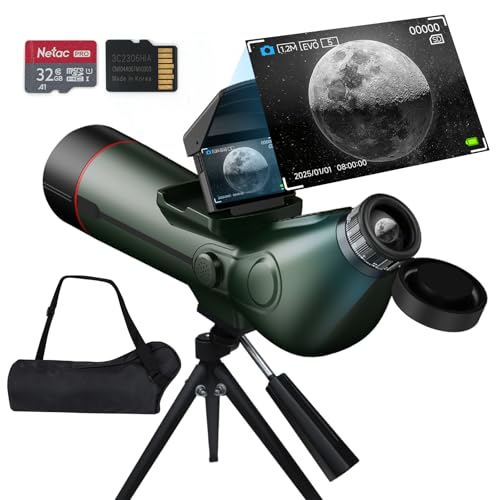
FASHIONARI’s Smart Telescope combines a robust 80mm aperture with a 300mm focal length, delivering bright, detailed views suitable for beginners and seasoned observers. The sensor supports up to 350X magnification for long-distance viewing and captures 4K images for crisp astrophotography. A foldable external screen complements the eyepiece, enabling real-time viewing in daylight or night skies. One-touch photo and video capture simplify recording celestial moments, and support for up to 512GB storage provides ample space for sequences and timelapses.
64GB Eyepiece Camera With WiFi

This eyepiece camera attaches to 25–50mm telescope eyepieces for easy setup without tools. Built-in WiFi hotspot enables direct smartphone control for live HD streaming and remote adjustments. It records 2K Ultra HD video and 16MP stills, with time-lapse and timed recording options. The combination of convenience, app-based control, and high-resolution output makes it a solid choice for entry-level astrophotography and observational use.
Seestar S50 All-in-One Smart Telescope

The Seestar S50 from ZWO is a highly integrated, lightweight system (about 2.5kg) that combines a telescope, electronic focuser, astronomy camera, ASIAIR, dew heater, and an alt-azimuth mount. Its professional-grade triplet apochromatic optics reduce chromatic aberration and minimize light loss with quality lens coatings. Features like full-automatic find and track via a connected phone, live star database, and voice progress updates streamline imaging sessions for both beginners and experienced users.
Seestar S30 All-in-One Smart Telescope

The Seestar S30 emphasizes portability without sacrificing capability. Weighing roughly 1.65 kg, it’s a compact smart telescope with dual-lens options for versatile shooting, including a telephoto and wide-angle lens. The built-in Seestar App handles automatic star-finding, precise tracking, and one-tap shooting, transforming astrophotography from a complex task into a streamlined process suitable for travel and casual stargazing.
SV105 Telescope Camera for Beginners
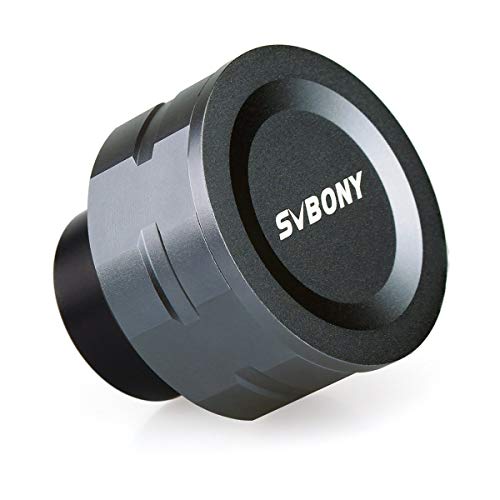
The SV105 is positioned as a beginner-friendly electronic eyepiece camera. It supports lunar and planetary imaging with a simple plug-and-play approach, enabling real-time viewing on compatible computers using software like Sharpcap or AstroDMx Capture. It’s suitable for users who want to start with basic astrophotography and gradually expand their imaging toolkit as they gain experience.
Buying Guide: Key Purchase Considerations
- Imaging goals: Choose a system that aligns with your targets (planets, deep-sky, Moon) and preferred workflow (live viewing vs. post-processing).
- Portability vs. capability: All-in-one smart telescopes offer convenience for travel, while modular eyepiece cameras may deliver higher flexibility for existing mounts.
- Monolithic vs. modular: All-in-one units simplify setup but limit customization; modular setups let you upgrade components as your skills grow.
- Sensor resolution and low-light performance: Look for higher resolution sensors and good light sensitivity for detailed planetary shots and deep-sky imaging.
- Autofocus, tracking and GoTo features: These automate target acquisition and framing, especially useful for beginners or those with complex skies.
- Connectivity: WiFi/app control enables remote operation and easy sharing; ensure compatibility with your device ecosystem.
- Storage and expansion: Consider devices with ample internal storage or easy external storage options for long sessions and timelapses.
- Software compatibility: Confirm compatibility with popular astronomy software (SharpCap, AstroDMx Capture, ASIAIR integrations) for processing and control.
- Budget and compatibility: Balance price with telescope compatibility, especially focal length and eyepiece size, to ensure a snug fit.
- Maintenance and durability: Pay attention to weather sealing, dew management, and power requirements for field use.
Each recommended option serves different user preferences—from all-in-one smart telescopes ideal for quick setup to dedicated eyepiece cameras designed for modular upgrades. The right choice depends on how you prioritize portability, control, and imaging ambitions. This guide aims to balance simplicity with capability, helping you pick a digital camera setup that complements your telescope and your observing style.