Digital eyepieces transform traditional telescopes into versatile imaging devices, letting you capture crisp planets, moons, and even wildlife from a distance. This guide highlights five standout options that blend ease of use with solid image quality, WiFi connectivity, and compatibility across a range of scopes. Whether you’re a beginner or a seasoned observer, these eyepieces offer live view, recording capabilities, and app control to enhance your viewing experience.
| Product | Brand | Key Feature |
|---|---|---|
| 64GB Digital Eyepiece Telescope Camera | Unalace | 2K video, 16MP photos, WiFi hotspot |
| AOMEKIE Digital Eyepiece | AOMEKIE | 1080P video, 2MP photos, multiple adapters |
| SVBONY SC002 Wireless Eyepiece | SVBONY | 1080P, 3x zoom, 10m WiFi range |
| SVBONY SV105 Telescope Camera | SVBONY | 1.25″ IMX307, beginner-friendly |
| Monocular Telecope High Power Eyepiece | Bansainong | 4K, 3” color screen, 22–46mm compatibility |
The following reviews summarize each product’s usefulness, setup, and imaging capabilities. Each section stays concise and focused on practical considerations for buyers evaluating digital eyepieces for telescopes, microscopes, and spotting scopes.
64GB Digital Eyepiece With 2K Video And WiFi

The Unalace eyepiece is designed for quick installation on telescopes or microscopes with 25–50mm eyepieces. Its tool-free mounting simplifies setup and ensures a secure fit with a simple twist. A built-in WiFi hotspot enables direct smartphone control, allowing live HD streaming and remote adjustment via a dedicated app. The device supports 2K video capture and 16MP stills, along with time-lapse and timed recording to facilitate hands-free observations during long sessions. The combination of high-resolution capture and wireless control makes it a strong choice for astro-imaging and nature observation.
AOMEKIE Digital Eyepiece With 1080P Video
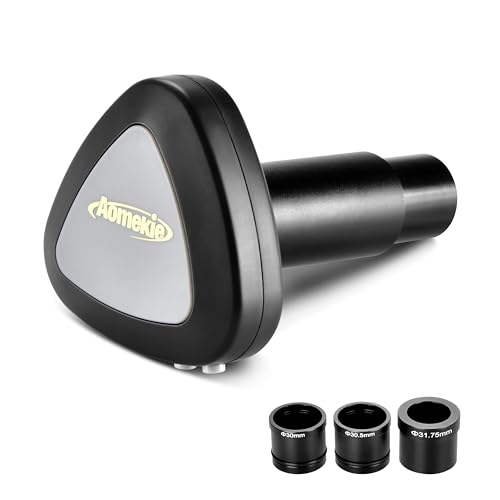
The AOMEKIE eyepiece offers a broad compatibility set, including adapters for astronomical telescopes and microscopes. It supports iOS, Android, and PC, with WiFi for real-time video transfer to a laptop or other display. The built-in 800 mAh battery supports 60–90 minutes of operation after a full charge. This model emphasizes flexibility and portability, ideal for observers who want to share live views or perform quick field sessions without tethering cables.
SVBONY SC002 Wireless Electronic Eyepiece

The SVBONY SC002 is a universal 37–56mm eyepiece-compatible solution that enables digital observation across a wide range of optical setups. It records in 1080P HD with up to 3x digital zoom and supports 25–30fps video. A 10m WiFi range allows real-time viewing via the SvbonyCam app on Android, iOS, or HarmonyOS, with multi-device support for live framing, scheduling, and interval shooting. It’s well-suited for bird watching, digiscoping, and general scope enhancement where wireless control matters.
SV105 Telescope Camera For Beginners
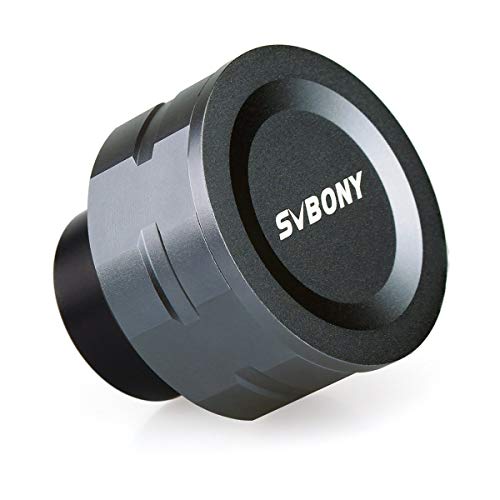
The SV105 is positioned as a beginner-friendly option for astronomy imaging, using a 1.25″ IMX307 CMOS color sensor. It supports lunar and planetary photography, with real-time view transferable to a laptop or PC. The device is designed for plug-and-play use, minimizing driver requirements and enabling smooth integration with software like SharpCap on Windows or AstroDMx Capture on Linux. It’s a practical starting point for enthusiasts exploring the basics of astrophotography.
Monocular High Power 4K Eyepiece With Screen

The Bansainong eyepiece features a 3-inch full-color display and straightforward installation on 22–46mm eyepieces, making it easy to monitor live footage without constantly looking through the scope. The updated 4K resolution supports enhanced low-light sensitivity and dark-light compensation for clearer imagery. This eyepiece is especially appealing for field use where rapid adjustments and real-time viewing matter, whether for astronomy or macro-type observations on supported devices.
Gugxiom USB Eyepiece Camera For Telescopes

The Gugxiom USB eyepiece provides a straightforward path to digital capture with a direct connection to a laptop or PC. It emphasizes real-time viewing and easy sharing of lunar, planetary, and terrestrial targets via digital movies and still images. This option is particularly attractive for learners and educators who want to demonstrate celestial observations in a classroom setting or during outreach events, without relying on complex hardware setups.
YWYLL WiFi Eyepiece For 24–50mm Scopes

The YWYLL eyepiece supports 24–50mm eyepiece diameters, making it compatible with a broad array of telescopes, spotting scopes, and microscopes. It features a 4MP sensor, capable of 2304×1728 video at 30fps and up to 24MP stills, with WiFi for wireless transfer to smartphones, tablets, or computers. This model is ideal for users who want a high-resolution option with flexible device pairing for both observing and documenting observations in real-time.
Buying Guide: Key Purchase Considerations
When choosing a digital eyepiece, consider compatibility with your existing equipment, installation ease, and latency in live view. Important factors include eyepiece diameter compatibility, whether the device supports direct WiFi streaming or requires a wired connection, and the quality of the image sensor (4K vs 2K/1080P). Battery life matters for field use, as does the ability to record time-lapse or interval shots, which helps with long-duration observing sessions.
Image quality varies by sensor and processing; a higher megapixel count does not always translate to better planetary detail, especially if frame rate or compression limits are involved. Look for features such as low-light compensation, digital zoom, and compatibility with common astronomy software like SharpCap or AstroDMx Capture. Also assess the software ecosystem: iOS/Android app support, firmware updates, and cloud or local storage options.
Durability and build quality are practical considerations for field use. Some eyepieces use a metal frame with a robust clamp, which helps maintain alignment during movement or transport. If you plan to use multiple devices or share views with others, multi-device streaming and straightforward file transfer can be substantial advantages. Finally, price-to-performance should be weighed against the user experience—ease of setup, intuitive controls, and reliable wireless connections often matter more than raw resolution alone.