Finding the right drone for high-quality aerial photography involves balancing weight, camera capability, flight time, and reliability. The following selections emphasize 4K video, stable gimbal systems, wind resistance, and long-range transmission—features that help capture cinematic aerial footage across daylight, dusk, and windy conditions. Each entry below includes its standout capabilities and how it fits into a photographer’s workflow.
| Product | Brand | Key Strength | Flight Time (approx.) |
|---|---|---|---|
| DJI Mini 4K Camera Drone Combo | DJI | Ultra-compact; 4K camera; 3-axis gimbal | Up to 62 min |
| PLEGBLE Drone with EIS 4K | PLEGBLE | Built-in screen; 4K with EIS; 10 km transmission | Up to 70 min |
| DJI Mini 4K | DJI | Lightweight 4K with stable gimbal | Up to 31 min |
| Bwine F7 Pro | Bwine | 4K camera; 3-axis gimbal; extended flight | Up to 50 min |
| Naseto GPS Drone with 4K | Naseto | 4K camera; 5G FPV; LCD controller | Up to 60 min |
DJI Mini 4K Camera Drone Combo

The DJI Mini 4K Camera Drone Combo emphasizes a lightweight profile suitable for casual and professional aerial photography. It weighs under 249 g, avoiding FAA registration for recreational use, while delivering 4K Ultra HD video and stills via a 3-axis gimbal that stabilizes footage across varied lighting. With wind resistance up to level 5 and brushless motors, it maintains stable flight in challenging conditions. The combination includes two batteries to maximize flight sessions, and intelligent features support cinematic Shots without bulky gear. Ideal for travelers and content creators seeking portable, high-quality footage.
PLEGBLE Drone With EIS 4K

This drone features an integrated 5.0” HD screen on the controller for immediate FPV viewing, eliminating the need for a smartphone. It records 4K at 30fps with an indexable 130° wide-angle lens and 90° tilt, supported by electronic image stabilization and reliable GPS-based navigation. The built-in screen reduces setup friction and keeps operators focused on framing. Ideal for beginners and enthusiasts who want real-time feedback without pairing a separate device, while still delivering cinematic 4K detail and steady footage even in windier environments.
DJI Mini 4K
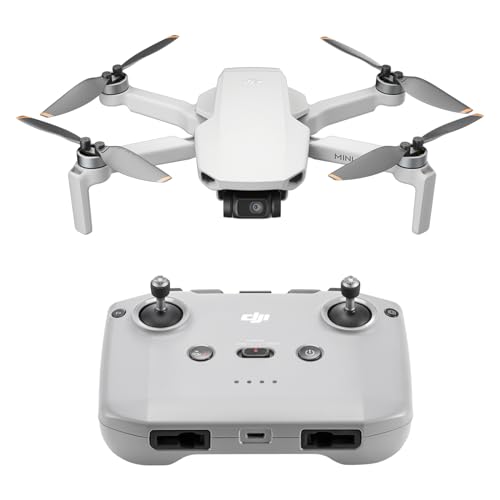
The DJI Mini 4K offers a compact option with 4K UHD capture and a 3-axis gimbal to stabilize footage in variable light and wind. Weighing under the 249 g threshold, it is designed for easy portability and quick setup, enabling photographers to quickly assemble shots in outdoor environments. Its wind resilience and precision flight characteristics help maintain stable framing when chasing dynamic scenes such as moving subjects or rapid changes in lighting. A practical pick for photojournalists and travel photographers who value mobility without sacrificing image quality.
Bwine F7 Pro

The Bwine F7 Pro emphasizes long-flight capability and stable 4K imaging via a 3-axis gimbal. It includes FAA-compliant remote ID and supports GPS-based safety features such as Return to Home and orbit/waypoint modes. With 4K recording, a robust gimbal, and a long endurance profile (up to roughly 75 minutes provided by multiple batteries), it caters to enthusiasts seeking extended field sessions and diverse shot compositions, from sweeping landscapes to architectural detail, with reliable stabilization even in gusty conditions.
Naseto GPS Drone With 4K

The Naseto GPS drone pairs a 4K camera with a 5G FPV link and a 4.5″ LCD controller for direct, on-site real-time monitoring. The system uses dual batteries to extend flight times up to around 60 minutes and employs brushless motors for smooth, stable flights across varied terrain. Its built-in LCD display eliminates reliance on a separate device for viewing footage, making it well-suited for field shoots where immediate review and rapid adjustments are valuable for creating compelling aerial sequences.
Buying Guide: Key Purchase Considerations
- Camera quality and stabilization: Prioritize 4K capture with a reliable gimbal (3-axis) to keep footage smooth during movement and in wind.
- Flight time and battery strategy: Longer sessions reduce interruptions. Look for models offering multiple batteries or extended endurance plans.
- Weight and regulations: Drones under 249 g may avoid some registration requirements in several regions, but rules vary. Always verify local regulations before flying.
- Transmission range and latency: Longer ranges with low latency improve control and allow planning complex shots from a distance.
- Controller features: Built-in screens can simplify setup and real-time review, while smartphone-based controllers offer flexibility but may introduce latency.
- Safety features: Return-to-Home, obstacle sensing, and GPS stabilization help prevent loss and improve shot reliability.
- Portability vs. capability: Lighter drones enhance travel-friendliness, but heavier models may offer higher payload capacity and more advanced sensors for professionals.
- Intended use: Travel photography often benefits from ultra-light, compact drones; landscape or event work may justify larger models with longer flight time and advanced modes such as orbit or waypoint navigation.
- Remote ID and compliance: Some models include built-in Remote ID; verify compliance requirements in your region and the need for additional modules.