For stargazers and astro-photographers, pairing a DSLR with the right tripod, adapter, and accessories unlocks clearer planetary shots, lunar detail, and prime-focus photography through a telescope. This guide highlights five reliable DSLR-friendly options that blend stability, versatility, and value. Each pick is designed to support telescope work—from prime-focus astrophotography to eyepiece projection—while remaining practical for travel and field shoots. Read on to compare adapters, tripods, and cameras that work well together for celestial imaging.
| Product | Brand | Best For |
|---|---|---|
| Tripod for Camera, 72″ Tall Tripod Monopod | Victiv | Versatile tripod/monopod combo for telescope, DSLR, spotting scope |
| Canon EOS Rebel T7 DSLR with 18-55mm | Canon | Beginner-friendly astro-setup with built-in Wi‑Fi |
| Starboosa Variable Extension Telescope Camera Adapter | starboosa | Prime-focus and eyepiece-projection photography |
| MACTREM 84″ Camera Tripod | MACTREM | Heavy-duty travel-ready support with monopod option |
| SVBONY SV105 Telescope Camera | SVBONY | Entry-level astrophotography camera with simple setup |
Victiv 72 Tripod/Monopod Dual-Unit

The Victiv 72 tripod offers a compact, travel-friendly solution that transitions quickly from a tripod to a 55-inch monopod, making it suitable for telescope-mounted photography and field surveys. Its aluminum construction provides sturdiness without excessive weight, and the thicker leg tubes help minimize wobble during long-exposure work. A flip-lock system enables rapid setup, ideal for dynamic observing sessions or rapid-target framing when observing the night sky. This unit supports DSLR bodies and can be paired with spotting scopes or small telescopes for stable, elevated shots.
- Weight: lightweight for travel; compact when stored
- Tripod-to-mono transition in seconds
- Aluminum alloy build with sturdy leg tubes
- Supports long-exposure photography in outdoor settings
Canon EOS Rebel T7 DSLR with 18-55mm Lens

The Canon EOS Rebel T7 combines a 24.1 MP APS-C sensor with built-in Wi‑Fi for quick sharing of moon and planet imagery. Its 9-point autofocus system and AI Servo AF deliver reliable tracking, while the camera’s compact body is well-suited for telescope work when paired with a prime-focus adapter or eyepiece projection setup. The 18-55mm lens provides a versatile range for wide-field night-sky shots or terrestrial testing during daytime calibration. The T7’s user-friendly interface makes it a strong initial platform for astro-imaging with a telescope.
- 24.1 MP APS-C sensor for detailed images
- Built-in Wi‑Fi and NFC for easy transfers
- 9-point AF with AI Servo AF for tracking
Starboosa Variable Extension Telescope Camera Adapter

The Starboosa variable extension adapter provides a flexible bridge between DSLR bodies and telescopes. It attaches to Canon SLR bodies and supports prime-focus photography or eyepiece projection by extending the camera’s distance from the telescope optics. The design accommodates eyepieces within the extension tube for enhanced detail, making it a practical choice for new astrophotographers exploring lunar and planetary imaging. Note that mirrorless bodies may not be compatible with this particular adapter for optimal results.
- Connects DSLR bodies to telescopes for prime-focus shots
- Extension tube allows eyepiece projection for added detail
- Designed primarily for Canon SLR/DSLR systems
MACTREM 84″ Camera Tripod
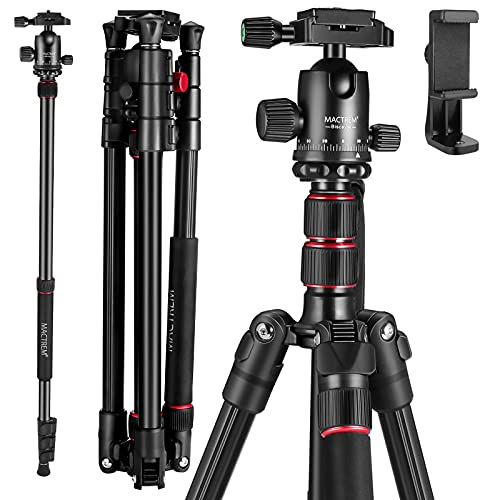
The MACTREM 84 tripod emphasizes a robust, travel-friendly design with a 34 monopod conversion and a maximum load suitable for DSLR bodies paired with telescopes. A 360-degree swivel ball head supports precise framing, while the four-section legs and quick-release locks enable rapid height adjustments from 18.5″ to 84″. A stability hook and non-slip feet improve steadiness on varied terrain, making it a solid choice for field astronomy sessions where telescope accessories and cameras must stay aligned during long exposures.
- Height adjustable 18.5″ to 84″
- Convertible to monopod for extra reach
- 360° ball head with robust locking mechanisms
SVBONY SV105 Telescope Camera
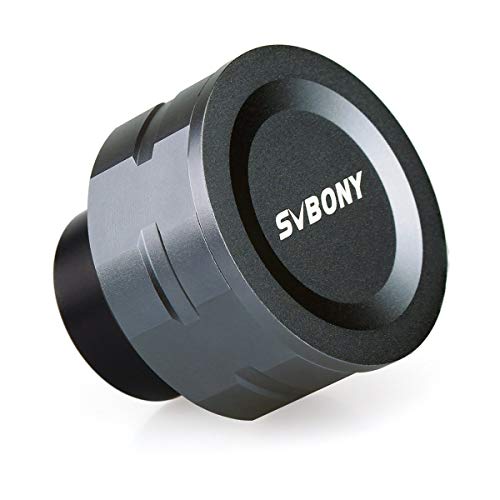
The SV105 is a compact 1.25-inch CMOS astro-imaging camera designed for beginner to hobbyist astrophotographers. It captures lunar and planetary targets via a telescope and streams live viewing to a connected computer. It’s a plug-and-play solution that supports real-time observation with minimal driver setup, integrating smoothly with common capture software. This camera is a practical centerpiece for a telescope-based DSLR workflow, especially for those testing astrophotography before investing in more advanced equipment.
- 1.25″ CMOS sensor for lunar/planetary imaging
- Plug-and-play with real-time viewing on PC
- Simple setup, ideal for beginners
Buying Guide: Key Purchase Considerations
When assembling a DSLR-friendly telescope setup, consider stability, compatibility, and versatility. Tripod quality matters as night-sky shots demand minimal shake; look for lighter yet rigid designs with quick-height adjustments and solid leg locks. If you plan to use a telescope for prime-focus photography, ensure your adapter is compatible with your DSLR brand and lens mount. For eyepiece projection, adapters should provide secure fits and allow some adjustment to offset focus differences. A convertible tripod with monopod capability adds flexibility for mobile observing and different vantage points. Finally, consider entry-level cameras like the Canon Rebel T7 for beginner astro-imaging, paired with simple, reliable adapters and a sturdy tripod for a balanced, durable setup.
Comparing products across the list shows a balance between travel-friendly portability and heavy-duty stability. The Victiv and MACTREM tripods provide strong base options with distinct advantages in height and quick setup, while the Canon T7 offers a beginner-friendly camera with built-in wireless features for quick sharing after a night of shooting. The Starboosa adapters and the SV105 camera add practical options for extending capabilities with telescopes, enabling both prime-focus and eyepiece-projection photography. By aligning a solid tripod, an appropriate adapter, and a capable camera, you can tailor a telescope-DSLR system to your observing goals and budget.
Additional perspectives include focusing on ease of use for beginners, prioritizing stability for long exposures, and preserving portability for field use. For advanced enthusiasts, investing in a robust tripod with a load rating above the combined weight of your camera and telescope, plus a versatile adapter, can reduce vibration and improve image quality. Consider your typical shooting scenarios—planetary, moon, deep-sky, or terrestrial ground-based targets—and choose a configuration that minimizes setup time without compromising stability or image quality.