For videographers seeking cinematic quality, full-frame cameras offer superior depth, low-light performance, and dynamic range. This guide highlights five standout options, drawn from trusted brands, that excel in video capture while delivering reliable stills. Each section includes key features to help you compare performance, autofocus, and workflow. Below, a quick summary table helps you scan the essentials at a glance.
| Product | Sensor / Key Feature | Video Capability |
|---|---|---|
| Sony Alpha 7 IV | 33 MP full-frame Exmor R, BIONZ XR | 4K up to 60p, 10-bit 4:2:2 |
| Canon EOS R6 Mark II | 24.2 MP full-frame, DIGIC X | High-quality 4K, fast performance, Dual Pixel AF |
| Canon EOS R5 | 45 MP full-frame, DIGIC X | 8K RAW, strong video features |
| Canon EOS R8 | 24.2 MP full-frame, DIGIC X | 4K 60p, compact and lightweight |
| Sony Alpha 7R V | 61 MP full-frame, AI-based AF | High-resolution video with advanced subject tracking |
Sony Alpha 7 IV Full-Frame Camera With 28-70mm Lens Kit

The Sony Alpha 7 IV combines a 33 MP back-illuminated sensor with the next-generation BIONZ XR processor, delivering robust video features and reliable still performance. It supports 4K up to 60p with 10-bit 4:2:2 color and full-pixel readout, enabling high-quality internal recording and flexible post-processing. Real-time autofocus tracking and strong color science make it a versatile choice for freelancers and hybrid shooters who need dependable performance in diverse lighting conditions.
Canon EOS R6 Mark II Mirrorless Camera

The Canon EOS R6 Mark II emphasizes video-readiness with a capable 24.2 MP full-frame sensor and the DIGIC X processor. It offers strong autofocus performance, solid low-light imaging, and high-speed shooting options that support dynamic video work. This body is well-suited for documentary work, event videography, and creators who value reliable color and smooth footage with flexible ISO performance.
Canon EOS R5 Mirrorless Camera Body
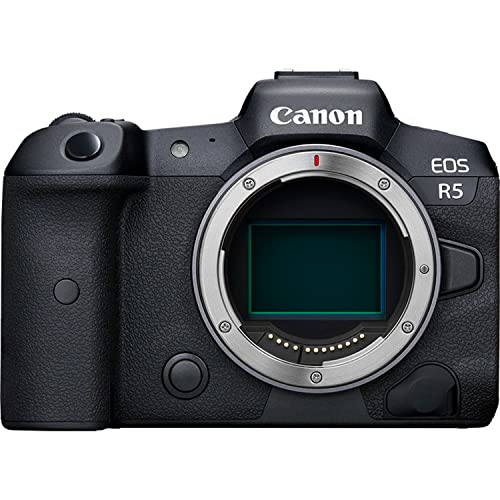
The Canon EOS R5 is a flagship option for serious videographers, offering up to 8K RAW video and a 45 MP sensor for exceptional stills. Its DIGIC X processor enhances noise handling and color fidelity, while fast frame rates and reliable autofocus support demanding productions—from music videos to running scenes—where image quality and flexibility are critical.
Canon EOS R8 Mirrorless Camera
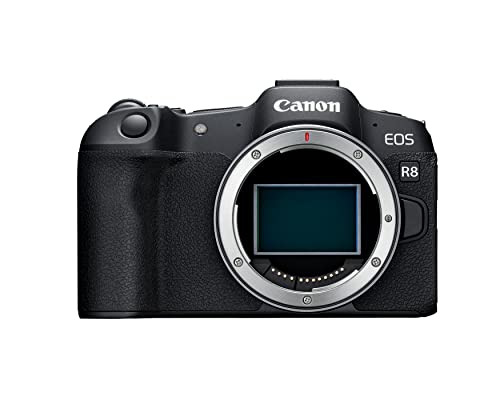
The Canon EOS R8 offers a compact, lightweight full-frame option with a 24.2 MP sensor and DIGIC X processing. It is designed for content creators who prioritize portability without sacrificing video capabilities, delivering solid 4K 60p performance and advanced autofocus in a budget-friendly, travel-friendly package.
Sony Alpha 7R V Full-Frame Mirrorless

The Sony Alpha 7R V elevates resolution with a 61 MP full-frame sensor and a new AI-powered processing unit. Although primarily revered for stills, its video performance shines when paired with high-quality lenses and proper color grading. Real-time Recognition autofocus and advanced subject detection enrich video work for documentary and narrative projects where detail and dependable AF are essential.
Buying Guide: Key Considerations For Full-Frame Video Cameras
- Resolution and sensors: Higher resolution sensors capture more detail but demand faster storage and processing. Consider balancing still quality with video needs, especially if you plan to crop or scale in post.
- Video formats and color: Look for 10-bit or higher color depth, H.265 or ProRes options, and full-pixel readout to maximize dynamic range and color fidelity.
- Autofocus and tracking: Real-time subject detection, eye/face tracking, and reliable AF across video modes reduce focus pull requirements and post-work.
- Low-light performance: ISO performance and noise handling are crucial for indoor and night shoots. A good high-ISO range helps maintain detail with minimal noise.
- In-body or lens stabilization: Stabilization systems—whether in-body (IBIS) or lens-based—significantly impact hand-held shooting and gimbal-work efficiency.
- Ergonomics and handling: Menu design, grip comfort, and button layout affect long shoots. Consider a model that fits your shooting style and accessories.
- Workflow considerations: Battery life, media compatibility, and file transfer speed influence production schedules and editing timelines.
- Budget and future-proofing: Weigh upfront costs against potential upgrades, firmware improvements, and lens ecosystems for future projects.
- Brand ecosystem: Each brand offers unique color science and post-production workflows. If you already own lenses, maintaining compatibility can save time and money.
- Lens availability: Consider the availability and variety of native lenses optimized for video work, including fast primes for depth of field and dynamic range.
- Portability vs. capability: Some cameras prioritize compact design for travel; others emphasize rugged video features and professional-grade codecs. Align with your production needs.
- Future-proofing: Look for cameras with robust update paths, reliable autofocus improvements, and expanding video features through firmware updates.
These options provide a spectrum from compact, lightweight models to high-resolution machines designed for demanding productions. The best choice depends on your typical shoots, preferred color science, and how you balance stills with video quality in your workflow.