Finding a reliable lightweight tripod can dramatically improve field shooting, spotting, and wildlife observation. This guide highlights five top options that balance portability with sturdy support, designed for hunters who hike, glass, and shoot in rugged terrain. Each choice aims to reduce fatigue while delivering consistent accuracy in diverse environments.
| Product | Brand | Height Range | Weight |
|---|---|---|---|
| BOG DeathGrip Aluminum Tripod | BOG | Included adjustable legs; 360° pan | Lightweight aluminum |
| 74” Rifle Shooting Tripod (V Yoke) | Lusweimi | From 19.3″ to 74″ | 3.5 lbs |
| Fanaue Carbon Fiber HT-2830-30 | FANAUE | 22.84″ to 58.58″ | ≈4.2 lbs |
| JINSE Shooting Tripod | JINSE | 24″ to 72″ | ≈2.9 lbs |
| PRIMOS Tripod Gen3 | PRIMOS | 24″ to 62″ | Standard tripod weight |
Below are five product sections highlighting features, usability, and field applicability. All selections emphasize portability without sacrificing stability for hunting scenarios.
BOG DeathGrip Aluminum Tripod
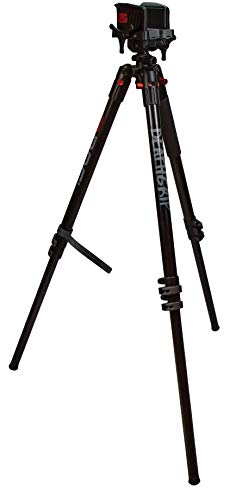
Durable aluminum construction provides rugged support across varied terrains. The large-diameter legs contribute to stability, while an adjustable head offers up to 25 degrees of tilt with 360-degree pan control and tension. The 3-position leg locks accommodate prone, kneeling, sitting, and standing shooting, enabling hands-free weapon use when needed.
74” Rifle Shooting Tripod by Lusweimi

This versatile height-adjustable tripod spans from 19.3″ to 74″, suitable for prone positions, standing observation, or uneven ground. It includes six ground spikes and camouflage straps to anchor in mud or gravel, helping maintain a steady aim. At approximately 3.5 pounds, it remains portable for backcountry hunts and quick deployments.
BOG DeathGrip Realtree Excape Tripod
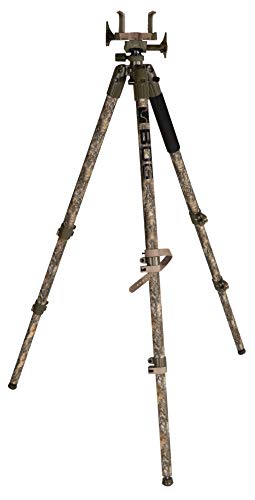
Similar durability to other DeathGrip models, this version uses Realtree Excape camo for concealment. It features a durable aluminum frame, a bubble level, adjustable legs, and a 360-degree rotating head. Like other DeathGrip variants, it supports hands-free operation and provides reliable stability in diverse hunting environments.
Fanaue Carbon Fiber HT-2830-30

This carbon fiber tripod prioritizes lightweight performance with a robust three-position angle lock (22°, 55°, 85°) and a quick-lock mechanism. An Arca-Swiss-compatible rotating clamp ensures seamless orientation changes. The carbon fiber tubes and reinforced joints offer vibration damping while maintaining a backpack-friendly weight around 4.2 pounds. Ideal for wildlife photography and hunting alike.
PRIMOS Gen3 Tripod

The Gen3 tripod features an adjustable height range from 24″ to 62″ with a contoured grip and a strengthened rotating joint for smooth panning. This model is designed for hunters seeking a reliable, compact platform with ergonomic handling and stable tracking across varied terrain.
Buying Guide
Key purchase considerations for a hunting tripod include weight, height range, stability, and versatility in different environments. Urban and wilderness use cases demand different balances of portability and sturdiness. Consider the following perspectives to choose a tripod that fits your needs:
- Weight and Packability: Lighter tripods minimize fatigue on long hikes but may sacrifice some rigidity. Carbon fiber options typically offer the best weight-to-stability ratio.
- Height Range: Ensure the tripod can reach a comfortable eye level for prone, kneeling, and standing shots. A tall maximum height is valuable for spotting and long-range observations.
- Leg Locking and Stability: Look for quick-lock or twist-lock mechanisms that are reliable in cold or wet conditions. Six-ground-spike systems or camo straps help secure the setup on uneven or soft terrain.
- Head and Pan Capabilities: A rotating head with 360-degree pan and tilt adjustments improves tracking of moving targets. An Arca-Swiss clamp enhances accessory compatibility and stability.
- Durability and Materials: Aluminum frames are robust and affordable, while carbon fiber reduces weight and dampens vibrations in windy or off-nadir scenarios.
- Concealment: Camouflage finishes help hunters stay hidden, particularly in open fields or dense brush where glints can spook wildlife.
- Accessory Compatibility: Ensure the tripod supports common mounts and accessories, including rifle yokes, spotting scopes, and smartphone adapters as needed.
In practice, choosing a tripod often involves prioritizing stability over ultra-lightweight design if you frequently shoot from prone or uneven surfaces. Models with wide stance, multiple leg positions, and secure pan heads tend to deliver dependable accuracy in dynamic hunting environments. While all five options above suit many hunting scenarios, the best choice depends on your typical terrain, shooting posture, and how you balance carry weight against field reliability.