The marine environment demands reliable imaging in low-light and night conditions. This guide highlights top night vision cameras suitable for boats, kayaks, and coastal vessels, focusing on ultra-low light performance, durable construction, and flexible mounting options. Read on to compare features, benefits, and practical considerations for nighttime navigation and monitoring at sea.
Summary of Selected Products
| Product | Brand | Key Benefit |
|---|---|---|
| SiOnyx Nightwave Analog Camera (White) | SiOnyx | Ultra-low light color imaging with 44º field of view; rugged marine use |
| SiOnyx Nightwave Analog Camera (Black) | SiOnyx | Same core Nightwave capability with flexible mounting options |
| SiOnyx Nightwave Analog Camera (Gray) | SiOnyx | Rugged, weather-ready night vision with reliable fog prevention |
| seanme Night Vision Goggles With Camera | seanme | 4K recording and long-range infrared illumination for handheld use |
| 2K Underwater Fishing Camera With 6″ OLED Display | Anminto | Underwater night vision with bright, sun-readable display and wide view |
The following sections present five detailed product profiles, followed by a practical buying guide to help you choose the best night vision option for marine activities.
SiOnyx Nightwave Analog Camera — White

The SiOnyx Nightwave series is designed for marine environments where night vision is essential. This white variant emphasizes rugged construction and reliable performance in low-light conditions. It delivers color imaging with moonless starlight sensitivity, enabling crews to capture crisp videos even without white light. A stable 44° field of view supports navigation by highlighting obstacles, markers, and other vessels, helping to extend time on the water after dark. The camera is engineered to withstand water, sand, salt, and dust, with dry nitrogen purging to prevent lens fogging during inclement weather. Its durable build makes it suitable for both recreational and commercial boating applications.
Key features at a glance include: ultra-low light color imaging, a modest field of view for reliable scene awareness, and robust environmental sealing. The system emphasizes practical nighttime visibility rather than thermal imaging, offering a cost-effective way to improve situational awareness after sundown. Installation flexibility is supported by its mounting options, enabling temporary or permanent setups on various watercraft.
SiOnyx Nightwave Analog Camera — Black

This Black variant shares the core Nightwave technology with the White version, offering identical operational advantages in rugged maritime scenarios. The black housing can provide discrete mounting in certain vessel configurations while maintaining the same moonless starlight sensitivity for color daytime-or-night imaging. The camera’s 44° field of view, weather resistance, and nitrogen-purged lens design help keep visibility consistent in spray, wind, and salt air. Its versatility makes it a practical choice for decks, pilothouses, or mounted interiors whereNighttime observation is critical for safety and navigation.
Features emphasize robust build quality, reliable fog prevention, and durable performance under marine conditions. As with the white variant, the focus is on enabling shareable color video in low light without high-cost thermal systems, making it an accessible solution for boaters who want dependable night imaging on a budget.
SiOnyx Nightwave Analog Camera — Gray
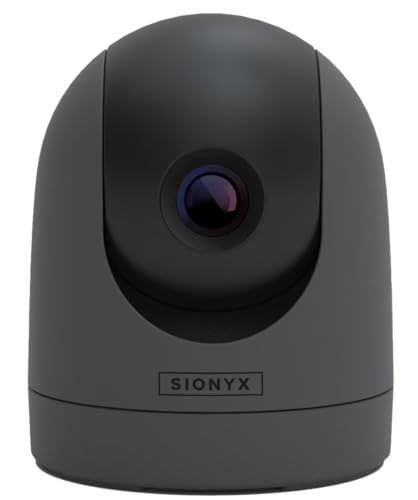
The Gray variant presents the same core capabilities as the other Nightwave configurations, with a color imaging engine optimized for low-light marine environments. The 44° field of view helps mariners detect navigational hazards at night, while the rugged construction and water-sand-salt-dust resistance keep operation stable in adverse conditions. Dry nitrogen purging reduces fogging on the lens, preserving clarity when spray or humidity rises. The Gray model is suitable for boats where a discreet, resilient camera setup is preferred and where mounting flexibility is important for strategic observation angles.
In typical marine scenarios, this camera supports safer night cruising by improving obstacle detection and situational awareness. Its performance profile aligns with professional and recreational needs, offering a practical alternative to more expensive night vision alternatives.
seanme Night Vision Goggles With Camera

Seannme’s night vision goggles blend portability and high-resolution capture for remote or waterfront use. The 4K video recording with sound, combined with 40MP image capture, supports detailed documentation of nighttime maritime environments. An infrared illuminator provides enhanced visibility to approximately 3280 feet, expanding practical use in darkness. The device features a 3-inch display with adjustable brightness and multiple observation modes—including day, low light, and night—to adapt to varying lighting conditions on deck, shoreline, or shore-to-boat transitions. The 8x digital zoom enables focused observation when scanning for hazards or wildlife, and a substantial battery capacity supports extended sessions away from power sources.
For mariners seeking handheld night vision with integrated recording, this option delivers a versatile tool for navigation, search-and-rescue readiness demonstrations, or nighttime surveillance as part of a broader safety strategy.
Pyle Flush Mount Rearview Mirror Cam
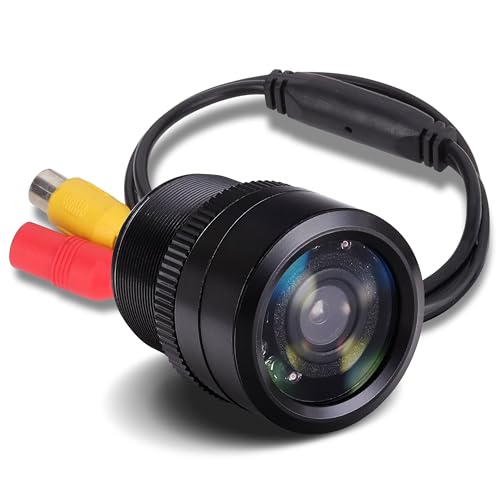
This rearview camera from Pyle is designed for marine-adapted reverse viewing with a flush-mounted, water-resistant form factor. It uses an OV7959 color image sensor to deliver a clear feed at 510 x 492 pixels with 420 TV lines of resolution. The flush-mount design provides a seamless integration on boats and RVs, enabling a safe reversing or docking view in challenging lighting. While not a dedicated night vision device, its compatibility with dim lighting and daytime use makes it a practical choice for those needing a built-in backup camera with reliable visibility on deck or in the cabin.
Consider this option if you require a simple, compact, water-friendly backup camera solution with a modern sensor and a discreet installation profile on a small to mid-size vessel.
Raymarine CAM300 Mini Day & Night Eyeball IP Camera

The Raymarine CAM300 IP camera is marketed for daily and nighttime surveillance with an eyeball design suitable for marine installations. While the product listing is concise, the camera is positioned as a compact, weather-rated option for boats requiring reliable monitoring or security imaging. Features typically emphasize IP connectivity and dependable operation in a marine environment, with a focus on continuous surveillance in conjunction with other Raymarine navigation systems. This makes it a viable addition to a vessel’s safety and security infrastructure where all-weather imaging is advantageous.
2K Underwater Fishing Camera With 6″ OLED Display

The Anminto 2K Underwater Fishing Camera offers a high-clarity 6-inch OLED display, designed for underwater viewing with day and night capabilities. It provides a bright, sun-readable screen to accompany its 2K image quality and 220° viewing angle, along with 8 IR lights for enhanced night vision. A substantial 10000mAh battery supports extended sessions, making it ideal for prolonged boat trips or ice fishing excursions where underwater visibility is essential. While intended for fishing, its night-vision performance and wide-angle perspective also benefit marine monitoring in near-shock or obscured visibility settings.
For those who need underwater imaging with a robust display, this camera system offers a comprehensive package that combines night vision with practical screen readability in direct sun or low-light underwater environments.
Buying Guide: Key Purchase Considerations For Marine Night Vision Cameras
When selecting a night vision camera for marine use, consider the following factors to align the device with your boat type, operating conditions, and mission goals.
- Light sensitivity and color vs. monochrome: Ultra-low light color imaging helps with context (buoys, markers, other vessels), while monochrome night vision can offer higher sensitivity in extreme darkness. Choose based on typical night lighting at your operating zones.
- Field of view and mounting flexibility: A wider field of view increases situational awareness but may reduce detail at a distance. Look for mounting options that fit your deck layout, pilothouse, or rail attachments, and whether the unit supports temporary or permanent installations.
- Environmental sealing: Marine cameras should be rated for water, salt spray, dust, and temperature ranges. Dry nitrogen purging and rugged housings help prevent fogging and corrosion.
- Power requirements and standby time: Consider whether the camera runs on internal battery, boat power, or solar options. For extended nights, long battery life or continuous power supply is critical.
- Video resolution and recording capabilities: Higher resolution and the ability to record or stream footage can aid post-trip analysis and safety reviews. Assess storage options and connectivity (local recording vs. cloud or local viewing).
- Firmware and app support: Some cameras offer companion apps for remote viewing, control, or diagnostics. Ensure compatibility with your existing onboard systems.
- Hardware durability and warranty: Marine-specific devices may endure vibration, spray, and temperature swings. Check manufacturer warranties and service networks for reliability on saltwater vessels.
Side-by-side considerations help mariners decide whether to prioritize ultra-low light color imaging, rugged mounting, or underwater viewing capabilities. For crews focused on late-night navigation and obstacle detection, Nightwave-style cameras offer color imaging at very low light, while standalone infrared goggle solutions weigh toward personal observation and documentation. A combined approach—fixed camera surveillance plus handheld night vision gear—can maximize overall nighttime safety on the water.