For photographers, videographers, and creators working outside a studio, a portable monitor can dramatically improve framing, exposure, and focus. This guide highlights five practical options that pair well with cameras or field setups, balancing image quality, battery life, and ease of use. Each pick includes a quick spec snapshot and why it fits a camera workflow, whether you’re on location, in a studio trailer, or traveling between shoots.
| Product | Key Benefit | Typical Use |
|---|---|---|
| FEELWORLD FW759 | HD 7″ IPS display, 4K HDMI input, ultra-slim | On-camera monitoring, gimbal use, field shoots |
| FEELWORLD S55 V3 | 6″ field monitor with LUTs and video assist | On-set monitoring, exposure and focus checks |
| HelloBaby 6″ IPS Monitor | Large IPS screen, no WiFi, long battery | Portable video monitoring for parents or on-site tweaks |
| HelloBaby Upgrade 5” Dual-Camera Monitor | Two-camera view, long battery, ECO mode | Two-angle monitoring in field setups |
| VTech VM819 | 2.8″ display, secure transmission, night vision | Compact on-site monitoring for small crews |
FEELWORLD FW759 7 Inch Monitor For Cameras
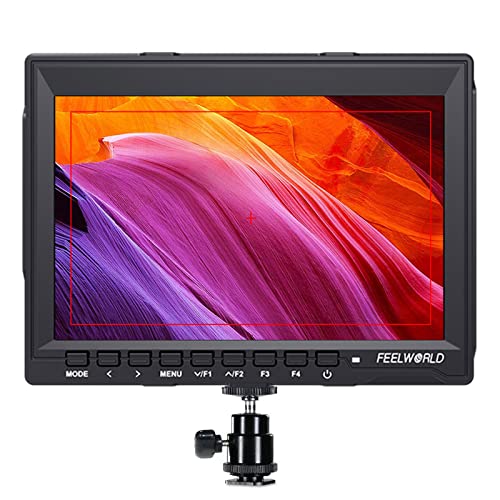
The FEELWORLD FW759 is a seven-inch, lightweight field monitor designed for on-the-go filming. It features a 1280×800 HD display with a wide color gamut and 400 cd/m² brightness to deliver accurate color for outdoor shoots. The monitor is slim at 17 mm and weighs around 300 grams, making it easy to mount on a gimbal or slim rig. It supports 4K HDMI input and can handle relevant on-camera formats, enabling precise exposure checks and focus pulls. This model is a practical choice for shooters needing a larger screen without adding bulk to their setup.
Key considerations include its portability and compatibility with most DSLRs and camcorders via HDMI. The FW759 excels in field environments where weight and space are at a premium. For camera operators who require a reliable external display without Wi-Fi, this monitor provides a straightforward, sturdy option with essential monitoring tools and broad connectivity.
FEELWORLD S55 V3 6 Inch Monitor

The FEELWORLD S55 V3 offers a compact six-inch display with a strong feature set for field shooters. It supports 4K HDMI input/output and includes capabilities such as waveform monitoring, false color, zebra exposure, and focus assist. With LUT loading support, it enables previewing looks directly on set, helping to finalize color decisions before post. The device is designed to integrate with DSLRs and mirrorless cameras, providing a crisp, reliable external view for critical focus and exposure decisions in constrained spaces.
Pros include a robust suite of video assist tools in a small form factor, which can speed up workflows on location. Considerations involve ensuring compatibility with your camera’s HDMI format and confirming power options for long shoots. For crews needing precise exposure control and quick LUT previews without relying on an on-camera screen, the S55 V3 is a capable, portable option.
HelloBaby 6″ IPS Screen, No WiFi, 30H Battery Monitor

This HelloBaby model centers on a large 6-inch IPS display with a long battery life, designed to operate without Wi-Fi. The device supports remote 355° pan and tilt, a wide viewing angle, and night vision, making it useful for monitoring a scene or talking to a crew member on set. The inclusion of VOX, 2-way talk, and 1000 ft range helps maintain real-time dialogue without constant battery drain or connectivity concerns. It is well-suited for parents at home or for remote monitoring on a film shoot where Wi-Fi is unavailable.
Considerations for camera use include its screen size relative to pocketability and whether a larger display is needed for critical checks. While not a primary studio monitor, it provides a dependable, no-fuss option for on-site monitoring and communication in environments where Wi-Fi is restricted or unavailable.
ApoloSign 32” UHD Portable Smart TV Monitor

The ApoloSign 32″ 2nd Gen portable TV provides a large-screen option with a built-in battery, Android 15 OS, and 256GB of storage. While not a traditional field monitor, its touchscreen and abundant storage can support on-location previewing, apps like streaming viewers, and a broad range of content display. The device includes a built-in camera, referring to its integrated video features, and it offers a full swivel and connectivity that can help teams quickly visualize on-set framing and playback outside a studio chain. This model targets users who want a larger, all-in-one screen with smart capabilities for entertainment and quick review during shoots.
Pros include an expandable interface with Google Play integration and multiple RAM/storage options for multitasking. Keep in mind the heavier form factor and the need for power in remote locations. For productions seeking a large portable display with smart features and robust app access, this model broadens the concept of a portable monitor beyond traditional camera-field displays.
Buying Guide: Choosing The Right Portable Monitor For Cameras
Display size and resolution: For critical focus and color accuracy, 7″ to 9″ monitors with 1280×800 or higher resolutions provide clear detail without overwhelming payload. Consider 4K HDMI support if your camera records in 4K and you need precise framing.
Connectivity and compatibility: Ensure HDMI compatibility with your camera, confirm whether the monitor supports 4K input, and check whether it uses USB-C power or requires independent batteries. A monitor with built-in LUTs, waveform, and false color can speed up exposure decisions.
Battery life and portability: Field work benefits from longer battery life and lighter form factors. Look for ECO or power-saving modes that extend runtimes while maintaining visibility in bright environments. Wireless features are less critical in noisy shoots but can matter for certain remote setups.
Color accuracy and viewing comfort: IPS panels with good viewing angles reduce color shifts when you adjust your head position. A matte screen helps minimize glare on sunny days. For long shoots, consider a monitor with peaking, zebras, and exposure tools to maintain consistent image quality.
Durability and mounting: A rugged chassis and compatible mounting options (mounts, cages, or hot shoes) are important when you’re moving between locations. Ensure the monitor can withstand outdoor conditions and fits your rig without obstructing gear or cables.
Multi-camera workflows: If you operate with multiple cameras, dual-camera or multi-view options can prevent missed cues. Some monitors support seamless switching between feeds or external recorders, reducing on-set delays.
Price-to-performance balance: Prioritize essential features you’ll actually use. A smaller screen with robust tools is often more effective than a larger screen that lacks vital monitoring features for your camera work.